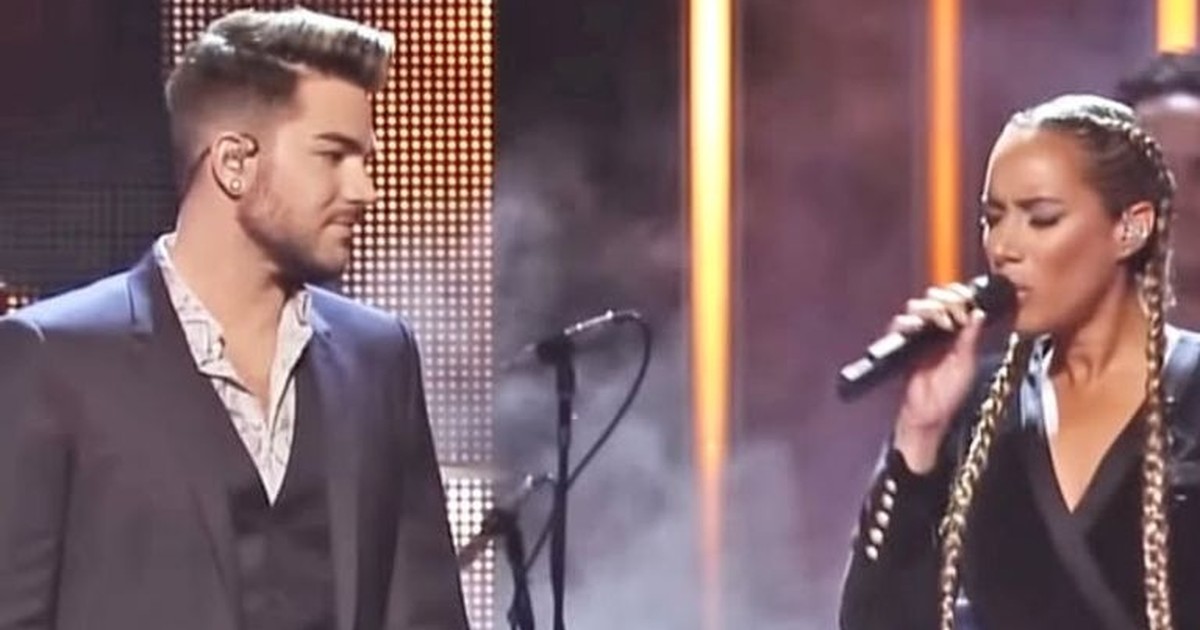
A duet changes a song before it changes any notes. When Adam Lambert and Leona Lewis share Girl Crush, the presence of two lead singers raises a useful question: are we hearing one narrator through two voices, or two people approaching the same situation? Neither answer needs to be settled in advance. Following how the singers share responsibility is more revealing than waiting to decide who delivers the biggest moment.
The song was written by Hillary Lindsey, Lori McKenna and Liz Rose and is associated with Little Big Town. Keeping those roles separate matters. The people singing a story do not have to be its writers, and a cover does not require a literal account of their private lives. This performance can be approached as interpretation rather than autobiography.
One story, two possible perspectives
Watch on YouTube ↗
Start with the ownership of a complete musical sentence. A singer can take the lead while the partner listens, adds a supporting line or prepares the next entrance. A handover between them may feel like a change of viewpoint even when the wording continues the same narrator’s thought. That is a dramatic possibility of the format, not proof of a particular intention.
There is also a less theatrical reading: both singers can serve one shared emotional perspective. In that case, their difference in vocal identity provides contrast without creating separate characters. Listen for whether an exchange feels like an answer, an extension or a fresh beginning. Those are more precise descriptions than calling every shared passage a vocal battle.
Harmony is a role, not a second solo
When two voices overlap, the highest or most noticeable line is not automatically the main melody. One part may keep the tune identifiable while the other changes the harmony around it. A listener can test this by following a single voice through an overlap, then returning to the passage with attention on the partner.
For example, imagine a phrase that starts with one exposed voice and finishes with two. The arrangement has changed the density of the story: a private statement has become a shared sound. That observation would remain useful even if neither singer added an elaborate run. The value lies in the relationship between the parts.
Hear Lambert separately
Watch on YouTube ↗
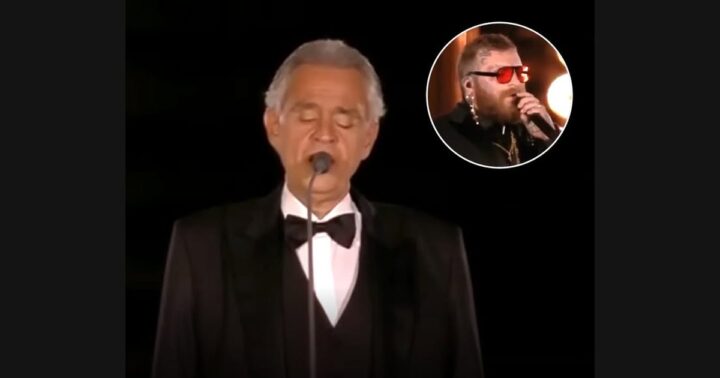
The related Polar Music Prize selection, Who Wants to Live Forever, offers Lambert in a different assignment. Use it to compare the responsibilities of a featured solo voice with those of a duet partner. A soloist can control the whole shape of a passage; a partner must also leave room for an entrance, response or blend.
Compare one complete phrase rather than two isolated high notes. Include its beginning, middle and ending. That keeps the focus on interpretation and avoids turning unrelated songs into a range competition.
Hear Lewis with a different song
Watch on YouTube ↗
Lewis’s official live Run selection provides another independent reference. Notice the difference between sustaining a song’s central identity alone and sharing it with a clearly recognizable colleague. You may prefer one setting, but the comparison is most useful when the reason is specific: the placement of an entrance, the clarity of a line or the way a phrase settles.
Returning to Girl Crush after both related clips makes the duet easier to describe. Two strong singers do not have to erase their differences to cooperate. The interesting question is how those differences help a single song move from one musical sentence to the next.