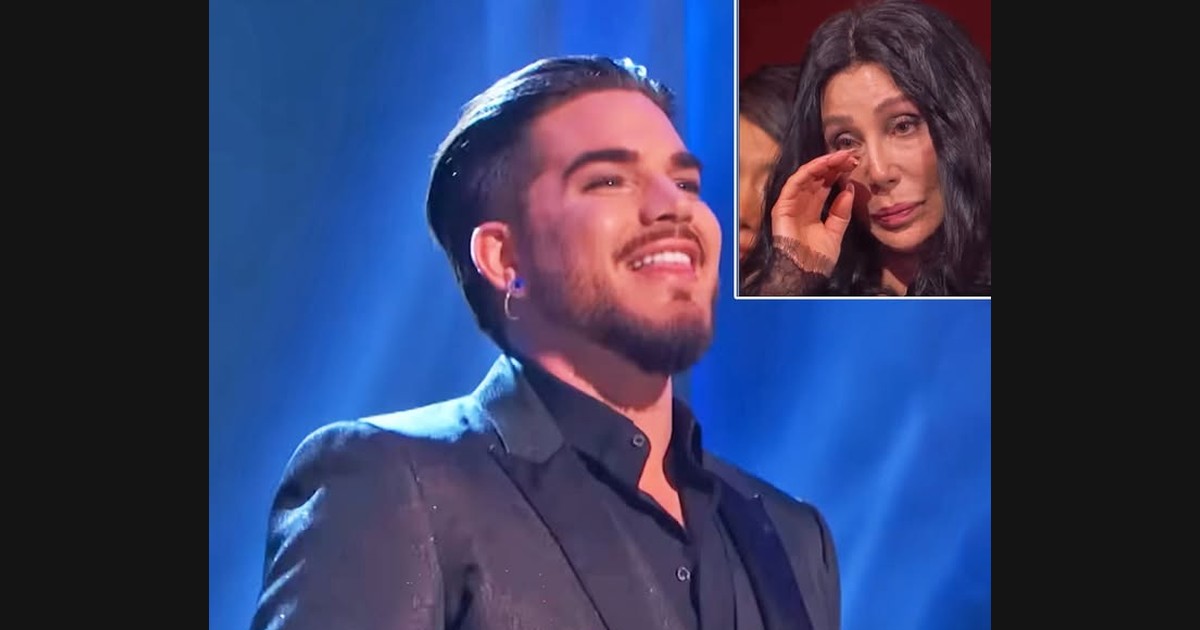
An honors performance contains more than one kind of artist credit. Adam Lambert performs “Believe” in the selection labeled the 41st Kennedy Center Honors, while the repertoire points toward Cher. The singer delivering the tribute and the artist being acknowledged occupy different roles.
That distinction makes the clip easier to discuss without turning it into an imagined vocal competition. Lambert is not required to become Cher, and the song choice does not make every performer on the program a recipient of the honor.
Watch on YouTube ↗
The song supplies an address
A tribute selection connects the current singer with an established artist’s musical identity. The connection can come through repertoire, even when the delivery differs from the recording listeners know. An interpretation can acknowledge an earlier performer while remaining recognizably another person’s work.
The useful question is therefore not simply whether Lambert sounds like Cher. Consider what makes the tribute’s reference clear and what belongs to the present performance. A familiar melody can establish the first relationship; phrase direction and accompaniment can establish the second.
For example, an arranger can leave more space around a sung line without changing which composition it is. That shift changes what the current singer must carry, while the song’s association with the honoree remains available.
A reaction shot is another part of the presentation
An honors broadcast can move between the performance and people watching it. A reaction image supplies visual context, but it is not a complete account of someone’s private thoughts. Describe the image if it matters rather than converting it into a universal verdict on the music.
Likewise, a strongly emphasized note is one part of a complete selection. Keep its preparation and continuation attached when explaining why it receives attention. The tribute’s public purpose does not remove the need for a specific musical description.
Cher’s official video supplies the repertoire reference
Watch on YouTube ↗
The official “Believe” video returns to the recording identity associated with Cher. Compare it with the tribute while keeping the tasks distinct: one presents the artist’s own release; the other uses the song to acknowledge that artist in another setting.
There is no need to claim that a later performance corrects an earlier one. The comparison can identify a changed musical relationship without deciding that only one version contains the song’s true meaning.
The Polar Music Prize creates another tribute relationship
Watch on YouTube ↗
The Polar Music Prize identifies Queen as a 2025 laureate and documents Lambert performing “Who Wants to Live Forever” during its Stockholm ceremony. Here another institution and another honoree supply the context.
The shared singer connects the two clips, but the occasions remain separate. “Believe” points toward Cher’s repertoire; the Queen selection belongs to the Polar celebration. Neither should inherit the other event’s date or award credit.
A clear note can list three roles for each appearance: performer, song, and artist honored. That small map explains why a singer may appear at several award-related events without receiving the same award each time. It also makes Lambert’s tribute work more specific than a general description of impressive singing in front of famous people.


