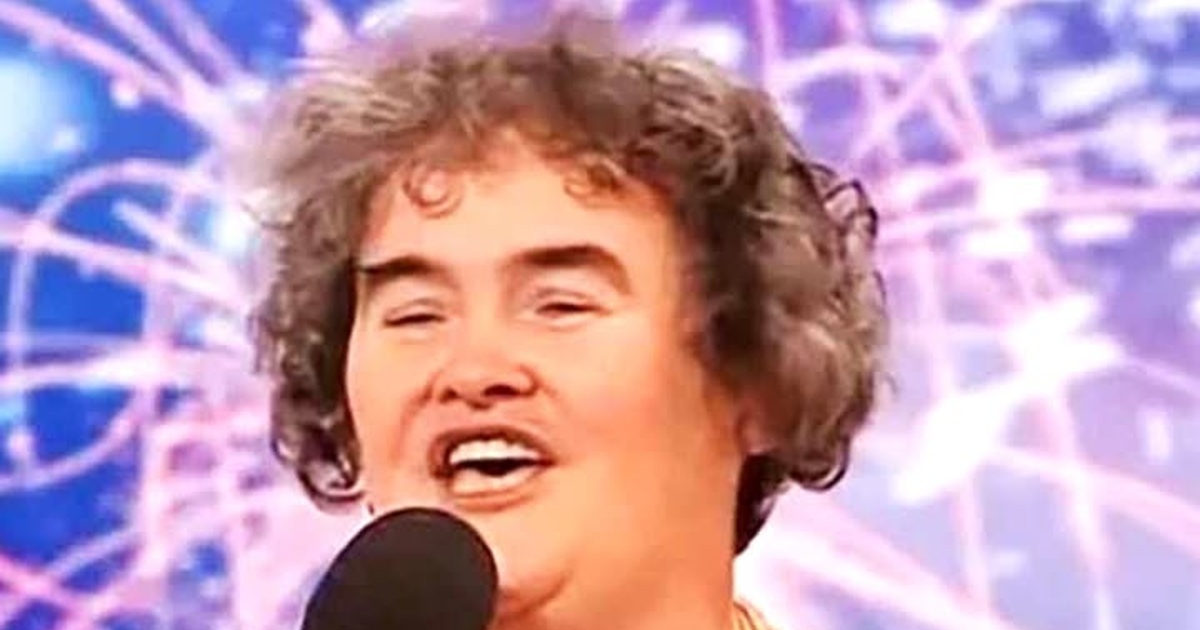
Susan Boyle’s first Britain’s Got Talent audition in 2009 introduced a television audience to a singer through “I Dreamed a Dream.” It did not introduce the song to the world, and it was not the beginning of Boyle’s experience with singing. Keeping those distinctions in view makes the clip more interesting than a simple before-and-after surprise.
ITV identifies the selection as the song from Les Misérables. In her own account of entering the competition, Boyle also described an application and preliminary auditions. The famous panel appearance was therefore one stage of a process, even though the television format presents it as an arrival.
Watch on YouTube ↗
The introduction and the performance do different work
A competition introduction gives viewers names, ambitions, and a reason to follow the contestant. A song then has to hold attention through a different set of means. The shift from spoken exchange to sustained musical phrasing is worth examining without turning everyone in the room into a character whose private thoughts are supposedly known.
Begin by treating the opening sung phrase as the start of a dramatic statement. Follow its direction through a complete thought. Where does it appear to be heading, and what allows the listener to recognize its arrival? That is a more precise subject than repeating that an entire audience must have felt the same thing.
Musical theater repertoire brings an existing dramatic framework, but a concert or audition singer is not performing an entire production. The selection has to communicate something coherent within the excerpt. Attention to the connection between phrases helps explain that task without requiring a literal identification between a fictional character and Boyle’s biography.
Move outside the audition format
The official “Wild Horses” video provides a valuable next step. It puts Boyle in a different kind of presentation and changes the composition. Rather than looking for another surprise, consider how an already identified singer introduces unfamiliar material to a particular listener.
Watch on YouTube ↗
This comparison separates a continuing interpretive voice from the machinery of a television debut. A listener might notice a preference for how a phrase is sustained or a thought is completed. Such a preference can be discussed with reference to the performance, rather than assumed to prove an untold personal story.
The change of song also matters. Two pieces can both support sustained singing while building their meaning in different ways. Compare the point at which each seems to reveal its principal concern, then consider how much information the performance needs before that point feels earned.
A different kind of television arrival
The final selection pairs Kodi Lee with Leona Lewis. It supplies another television singing context, this time organized around a collaboration. It should not be made to stand in for Boyle’s experience or to suggest that every competition performance follows an identical path.
Watch on YouTube ↗
The useful contrast is structural: an introduction of one contestant and an encounter between two featured voices give the viewer different things to follow. In one, identity is established through a solo selection; in the other, the relationship between singers becomes part of the presentation.
Boyle’s audition remains a specific performance from 2009. Its continuing interest can rest on the song, the phrasing, and the transition into music. It does not need an invented account of unanimous surprise, or the suggestion that a singer had no musical history until a camera found her.


