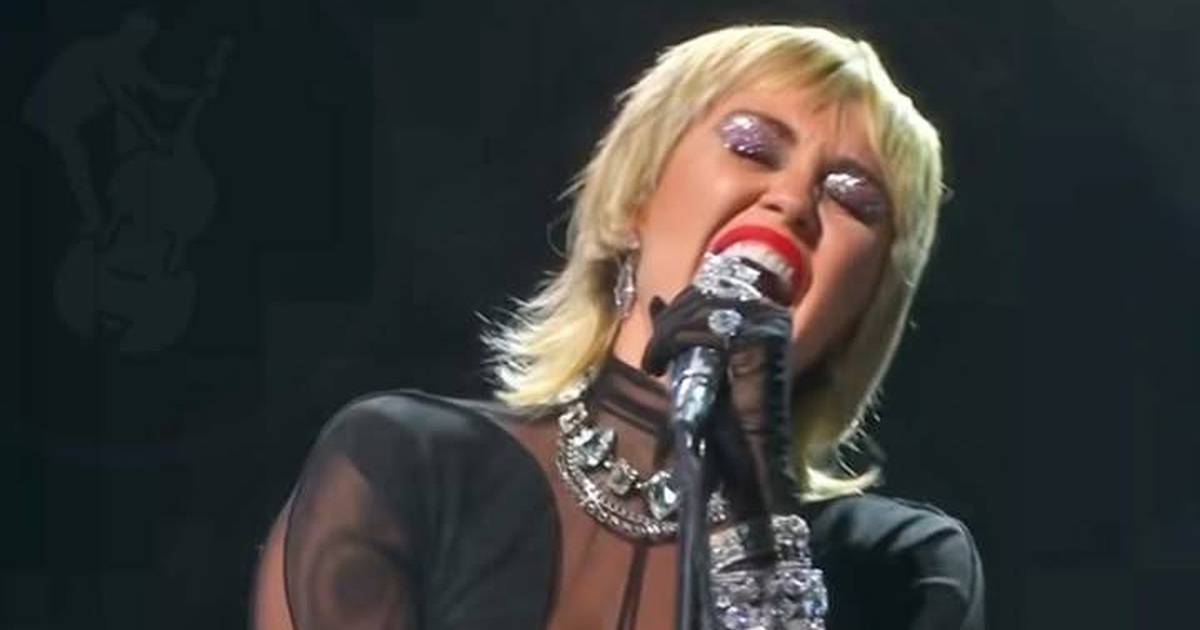
A concert cover can have two lives: an event in a particular set and a recording that remains available afterward. Miley Cyrus’ Heart of Glass illustrates that route clearly. iHeart’s own coverage identifies the Blondie song as the opening of her September 19, 2020 festival set, and its later album coverage identifies the performance’s inclusion on Plastic Hearts.
The distinction matters because a live recording on an album is not automatically a separate studio remake. A performance can move into a catalogue while retaining its original event context. Its purpose changes for the listener even though it remains a version of the same song.
The festival selection
Watch on YouTube ↗
Inside a set, an opening cover establishes a relationship with an artist’s chosen repertoire. It can bring familiar material to listeners before the program moves toward songs associated with the featured performer. The choice is therefore part of programming as well as interpretation.
iHeart’s account places Midnight Sky at the other end of Cyrus’ set. That gives the program a useful outline: a recognizable Blondie selection opens the appearance, while a song from Cyrus’ own contemporary catalogue closes it. The two compositions help define a musical identity together.
What changes when the performance becomes a released track?
At the event, the cover belongs to a sequence of songs and a scheduled appearance. As a released track, it can be selected independently, replayed and compared with other recordings. A listener no longer needs the complete festival program to encounter it.
This creates two legitimate ways to discuss the same performance. One asks what the cover contributes to the set; the other asks how the recording works as a self-contained interpretation. Keeping those questions separate avoids inventing a new recording session simply because a track appears in a later release.
It also clarifies the dates. The performance year, the album release and the publication of a particular video can all be relevant. They describe different moments in the recording’s continuing public life.
Blondie’s recording remains another creative object
Watch on YouTube ↗
The official Blondie video supplies the direct song reference. Compare the featured vocal line and its surrounding framework rather than reducing the difference to one singer’s resemblance to another. A cover can keep a composition recognizable while placing it within another artist’s delivery and presentation.
The earlier recording also has its own catalogue context. Blondie’s official archive connects Heart of Glass with Parallel Lines and documents earlier versions among later bonus materials. The familiar song already belongs to a history of versions before a new cover joins it.
A catalogue includes originals and interpretations
Watch on YouTube ↗
Cyrus’ official Midnight Sky video changes the composition and format. It provides a useful comparison with the cover because an artist’s public musical identity can be built through both original repertoire and interpretations of earlier songs.
The festival-to-album route gives Heart of Glass a concrete story beyond a one-night surprise. A selection first helps shape a set, then becomes material listeners can approach independently. Recognizing both lives makes the performance easier to place within Cyrus’ catalogue without erasing its connection to Blondie.


