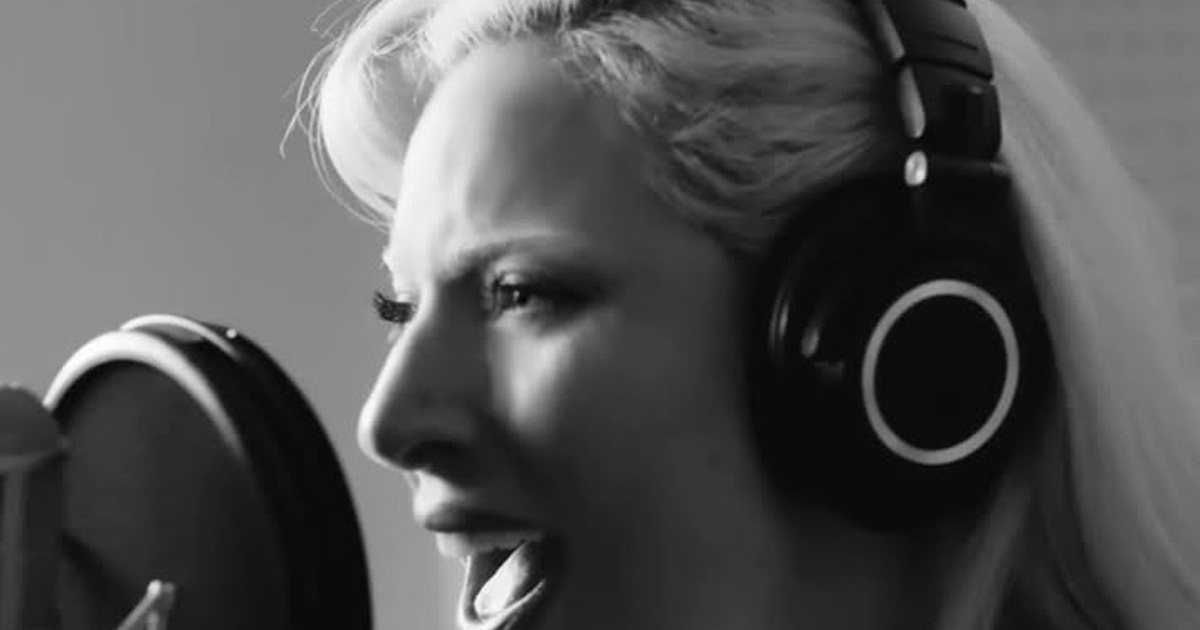
A video containing a singer at work can look like a performance document while serving several other purposes. It may introduce a project, explain a collaboration or present selected moments from making a recording. Lady Gaga’s Won’t You Be My Neighbor? feature, published by Rocket, is a useful example of why the format deserves attention alongside the music.
The recording was introduced in 2026 as part of Rocket and Redfin’s Super Bowl LX campaign. Fred Rogers wrote the song, and Gaga’s collaborators included Alex Smith and Benjamin Rice. Those brief facts identify the project. They do not make every piece of footage from it the same kind of artifact.
Watch on YouTube ↗
Start with the object in front of you
A recording feature, a completed television advertisement and a full concert selection answer different questions. A feature may give access to the making of a rendition. An advertisement places selected material inside a fixed brand narrative. A stage recording presents an event-specific performance through a broadcast’s cameras and sound.
These categories concern how material is presented. A studio location alone cannot establish that a video is a complete take, and a stage location cannot establish how a release was edited. Describe the format you can identify before drawing conclusions about the recording process.
| Evidence | What it can help establish |
|---|---|
| Publisher and caption | Who presents this version and how it is described |
| Project announcement | Campaign purpose and credited collaborators |
| Visible sequence | Which parts of the work the feature chooses to show |
| Publication date | When this upload appeared, rather than automatically when music was recorded |
Follow one musical idea through the feature
Choose a phrase that the feature allows you to follow. Separate the sound itself from any surrounding explanation. If speech or a cut interrupts the sequence, keep that boundary in your note. It marks how the video leads your attention, even when it cannot tell you everything about the session.
This produces two kinds of observation: what the rendition offers musically and what the feature offers editorially. A phrase might become clearer through repetition or explanation. That is useful access to the project, without requiring a conclusion that the viewer has heard an uninterrupted final performance.
Compare an awards-stage duet
The accompanying Shallow upload identifies Gaga and Bradley Cooper at the Oscars. Its duet gives you a different object to follow: a public performance shared between two singers. Here, record how the video presents a handoff from one participant to the other.
Watch on YouTube ↗
Compare that handoff with the main feature’s transitions. Does the change follow the music, an explanation of the project or a camera’s chosen emphasis? Keep those functions separate. The comparison concerns the viewer’s access to a performance, not a claim that one format is more genuine.
A second stage format: Hold My Hand
The third upload identifies the 2023 Oscars performance. This is another occasion-specific presentation, with a single named lead performer. Follow the beginning and ending of the selection as well as the central singing. A performance’s introduction and framing can provide context that a detached highlight leaves out.
Watch on YouTube ↗
Return to the Rocket feature and write a precise caption of your own: performer, song, project and type of video. Leave a session date or technical process unspecified when the available information does not establish it. That caption is a useful test of understanding: it distinguishes the music being interpreted from the particular video through which you encounter it.