A song’s first album does not determine every occasion in which it will later appear. Driven to Tears belongs to the Police’s Zenyatta Mondatta, released in 1980, but the selections here place Sting’s repertoire inside several different public programs. The most useful comparison concerns what the song is being asked to do at each event.
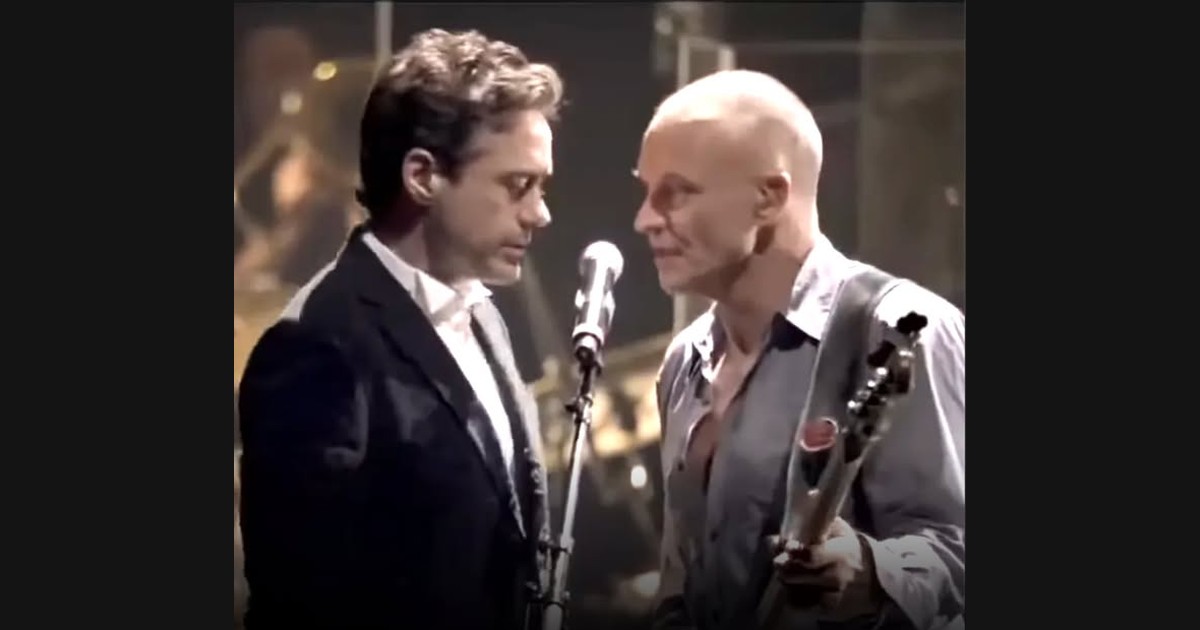
The first clip comes from the 2011 concert celebrating Sting’s 60th birthday, with Robert Downey Jr. joining him. The second is an official Live Aid selection. The third changes songs and performer again, presenting Bruno Mars in a Kennedy Center tribute to Sting.
A repertoire map before the videos
| Frame | What it establishes |
|---|---|
| The Police album, 1980 | The composition’s place in an original group catalogue. |
| Live Aid, 1985 | The song within a different public concert program. |
| Birthday concert, 2011 | A guest sharing material from the featured artist’s career. |
| Kennedy Center tribute, 2014 | Another performer presenting selected Sting repertoire. |
The dates describe separate contexts, not successive scenes in one recording. The distinction matters when clips circulate with shortened captions or without the program around them.
An album release date identifies a published recording; it does not tell a viewer when a later concert was filmed or when its video was uploaded.
The birthday collaboration
Watch on YouTube ↗
A birthday concert organized around an artist’s career can use guest performances to show that repertoire through other voices. A guest’s contribution points both toward the person being celebrated and toward the composition itself.
That frame differs from an ordinary cover placed on a performer’s own album. The public subject is partly the connection between the guest, the host and the material. A familiar song becomes a meeting point rather than merely a recognizable title in the set.
For a concrete listening approach, notice which musical responsibilities remain stable when the featured voice changes. Accompaniment can keep the identity of a song clear while another singer supplies a different delivery. The composition provides continuity across the collaboration.
Live Aid supplies another public purpose
Watch on YouTube ↗
The 1985 selection places Driven to Tears in a different large-event program. Its presence there does not mean the arrangement or circumstances match those of the later birthday performance. Keep the song constant in the comparison while allowing the event’s purpose to change.
A listener can compare proportion: how much space is given to the featured line, recurring instrumental material and transitions. These are musical decisions within a program, rather than evidence that a song has only one definitive live form.
A tribute can change both song and interpreter
Watch on YouTube ↗
Bruno Mars’s Kennedy Center selection turns to So Lonely and Message in a Bottle. The program now uses other songs to acknowledge Sting’s contribution. The comparison concerns repertoire selection itself: different titles can emphasize different aspects of the same career.
This is why preserving the occasion adds value to a music clip. An album establishes one original context; later programs give the material new public jobs. The Downey and Sting performance is one point along that route, interesting as a particular collaboration without needing to become a story about an actor unexpectedly acquiring an entirely new musical identity.


