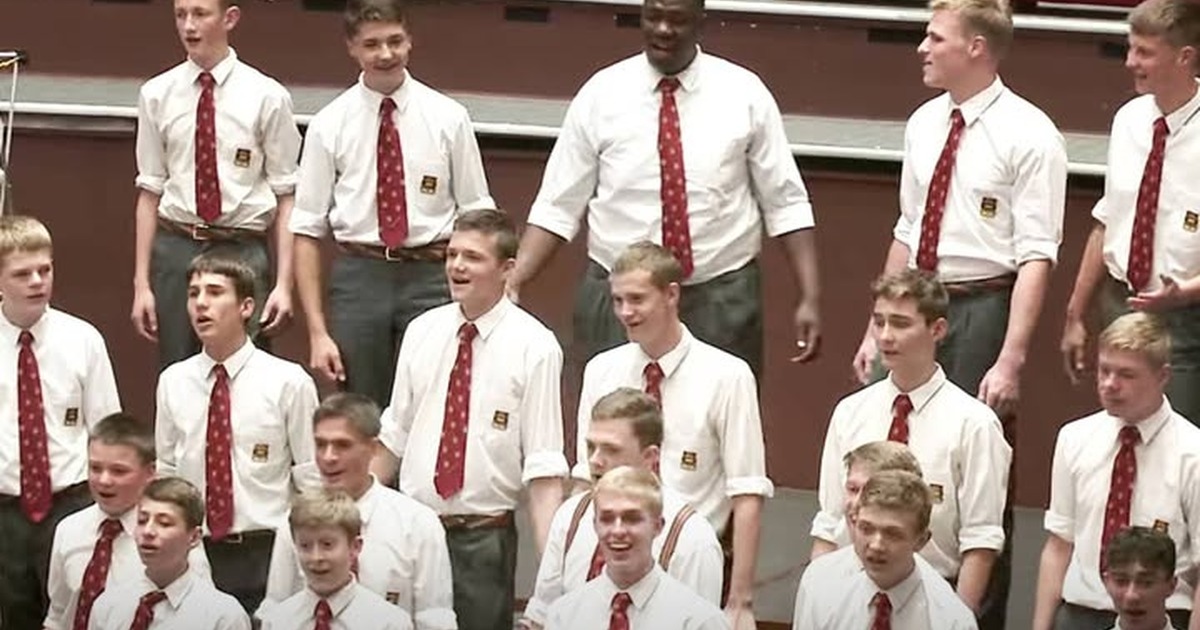
A choir’s collective name identifies the group, but it rarely describes every musical responsibility within a performance. Affiekoor’s Afrika-Keurspel provides unusually useful credits. Its own publication identifies traditional isiXhosa material arranged by Mpumelelo Manyathi, five soloists and a djembe player.
The ensemble places the recording at the 2024 ATKV Applous national final. Those details connect a named arrangement with a named event. They also provide a stronger starting point than assigning a generic cultural meaning to every visible movement or treating a varied choral selection as one anonymous song.
The final performance
Watch on YouTube ↗
Traditional material still has an arranging credit
Calling material traditional does not mean its presentation arrives without decisions. An arrangement determines how resources are distributed, how sections relate and how a group undertakes the material in a particular form. Naming the arranger recognizes that work without claiming the arrangement created every underlying musical element.
The distinction preserves two histories at once. The material has an identity beyond this performance, while this particular presentation has a person responsible for shaping it. Neither credit needs to displace the other.
It also limits what an outside listener can infer. The published language identification gives context; it does not make every viewer able to translate the text or explain each local association. Recognizing musical structure and understanding words are connected but different kinds of knowledge.
Soloists and collective voices
The publisher names Mpumi Rakhudu, Deon Spies, Ronan Cilliers, JD Hatting and Stef Pretorius as soloists. Listing them changes the idea of a choir from an undifferentiated mass into an ensemble with particular responsibilities.
A solo part can give a phrase an individual point of address, while collective material can establish another scale of statement. The two need not compete. A group may gain variety precisely by making room for a person without losing its shared direction.
These are functions to consider in the recording, rather than an invented map of who sings every passage. A useful first comparison is simply between individual address and collective address. More exact claims should follow the performance and its credits.
Percussion is another named contribution
Henri Potgieter receives the djembe credit. That identifies an instrumental responsibility within a presentation centered on voices. A percussion part can help organize shared time, but the credit alone does not tell us every pattern played or establish that rhythm belongs to only one participant.
A choir presenting an original song
The next official AGT clip identifies Ndlovu Youth Choir’s We Will Rise as original material in the 2023 All-Stars program. It changes both ensemble and repertoire, so the comparison should preserve those differences.
Watch on YouTube ↗
A different institutional setting
The final selection comes from Trinity Church NYC and presents Ndlovu in its Jazz at One program. The publisher and series name identify another public frame for choral work.
Watch on YouTube ↗
Affiekoor’s credits remain the strongest foundation for its own selection: traditional material, a named arranger, individual vocal contributions and percussion within a collective performance. That account gives readers concrete people and responsibilities to follow while leaving the cultural and linguistic specificity of the material intact.


