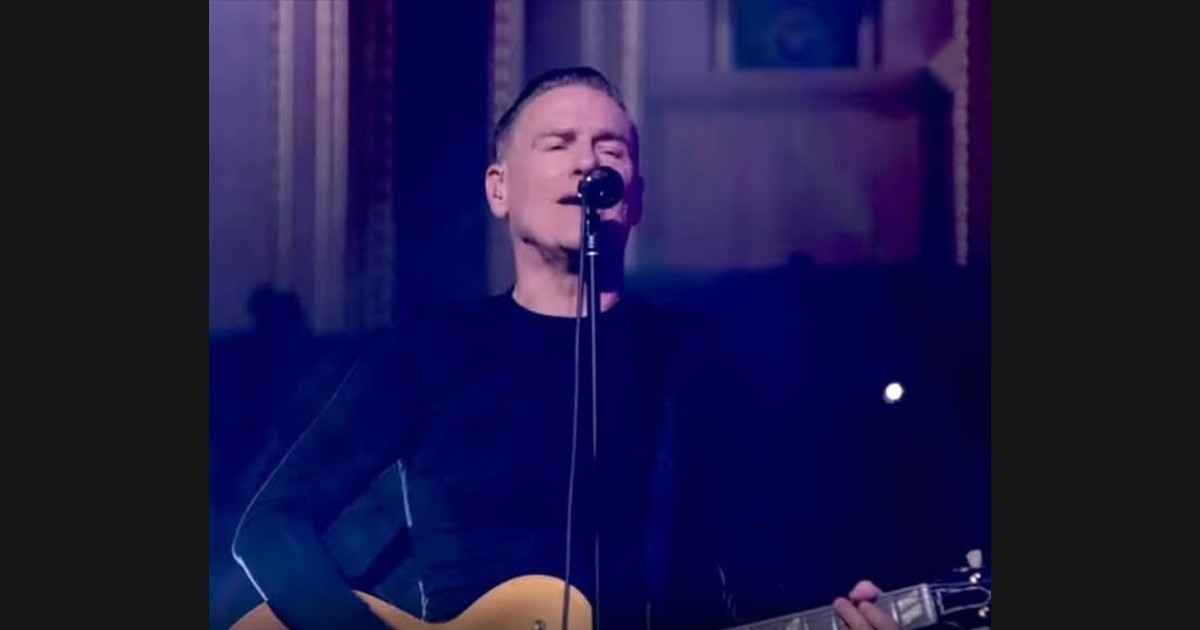
A date in a song title is different from the date on a recording. Bryan Adams’s Summer of ’69 makes that distinction especially clear when its official music video is placed beside performances identified with Wembley in 1996 and the Royal Albert Hall in 2024.
The opening video comes from Adams’s official channel. Its description identifies a Royal Albert Hall recording made on May 14, 2024, and credits the song to Adams and Jim Vallance. These details establish the musical document in front of us without requiring the title’s year to serve as a literal diary entry for the performer.
Keep three kinds of time apart
Watch on YouTube ↗
There is the time suggested within a song, the occasion on which it is performed and the later moment when a listener encounters the recording. Confusing those layers can turn a simple video description into a misleading biographical claim.
Here, the Royal Albert Hall date belongs to the performance. It does not move the events narrated by the song into 2024. Equally, discovering an older recording today does not make it a newly performed version.
A practical listening approach is to follow how a familiar refrain returns after the intervening material. Think about what you retain between appearances and what the arrangement supplies as a reminder. That question concerns the song’s form, without asking the title to explain the singer’s entire history.
The official music video is another object
Watch on YouTube ↗
The second selection is published as the official music video. It provides a reference for comparing a song’s presentation across media, but the label alone does not make every image documentary evidence of events in the lyric.
Music videos can establish a visual world around a recording. A concert film documents a performance setting through its own selection of shots and sounds. Both involve presentation choices, and neither should automatically be treated as an unedited window onto the song’s creation.
Choose a recognizable transition and compare how each video guides attention through it. You might follow a change between instrumental and sung material, or the return of a section you already recognize. Keeping the task specific is more useful than trying to rank whole recordings after a few seconds.
Wembley supplies an earlier concert comparison
Watch on YouTube ↗
The final selection is identified by BryanAdamsVEVO as a Wembley performance from 1996. Its date supplies an earlier concert reference alongside the 2024 Royal Albert Hall recording.
Two concert years do not by themselves explain why an individual musical detail differs. Players, arrangements, sound capture and the particular performance can all affect a recording. Treat a difference as something to describe before deciding what caused it.
For your own comparison, make a short note of the source and occasion before noting a musical feature. That habit keeps a useful observation attached to the correct version when several similar video titles appear in a playlist.
The three selections ultimately offer more than a before-and-after sequence. They let a listener follow one composition through an official video and two labeled concert occasions. The song’s remembered world stays part of the work, while the recording dates tell us which particular presentation we are watching.


