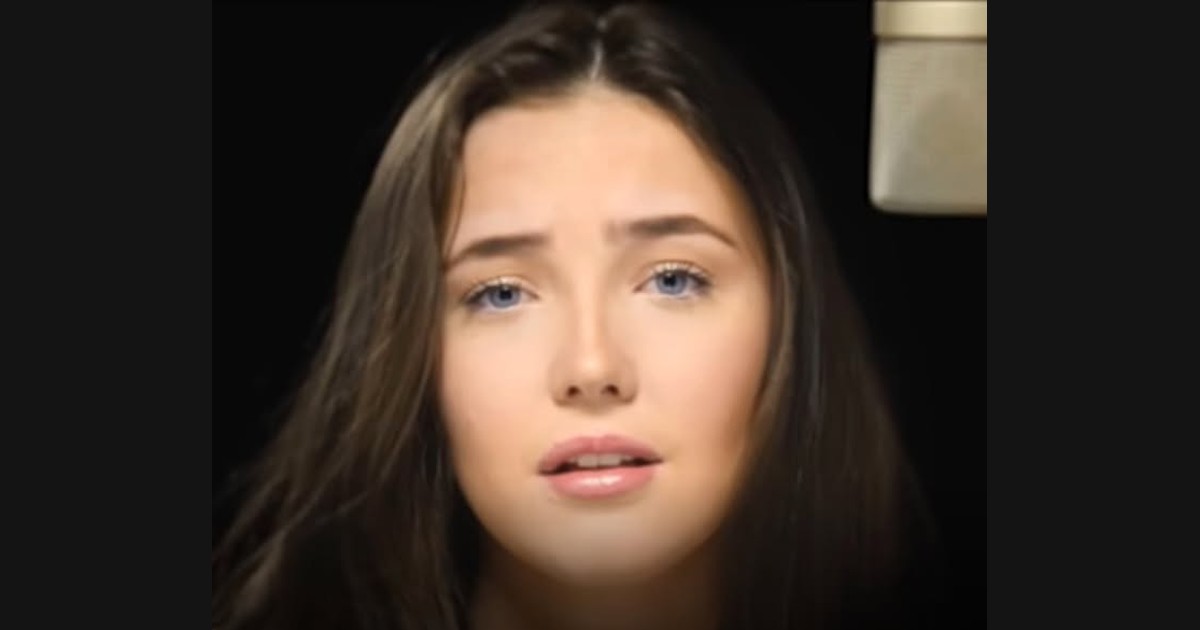
A song can reach a listener through several kinds of screen presentation. Lucy Thomas’s Hallelujah appears here in an official music video, an official Manchester concert video and a third-party upload labeled as a lyrics version. Those labels describe how the material is presented; they do not establish three separate interpretations.
Thomas’s own description connects the official recording to her album Timeless and credits Leonard Cohen’s song. The album appears in her official discography with Hallelujah as its opening track. From that starting point, the three selections invite a practical question: what changes when the screen gives you a different kind of guidance?
Begin with the artist’s release
Watch on YouTube ↗
The first video comes from Lucy Thomas Music and is identified as the official music video. That provenance gives the reader a dependable place to establish the artist and song before considering other versions circulating online.
A useful first pass is simply to follow the sung phrase. Notice where a thought seems to continue and where it feels complete. You do not need to decide whether the production is sparse or elaborate before finding that basic shape.
On another pass, consider the role of the picture. Does your attention follow the singer, the musical accompaniment or the sequence of images? This is a question about your viewing experience, rather than a claim about why a director chose any particular shot.
A concert supplies another frame
Watch on YouTube ↗
The second selection is also published by the artist’s channel, which calls it the official Manchester concert video. It supplies a concert context for the song while remaining a filmed and edited presentation.
Compare a complete phrase rather than isolated high notes. A phrase includes an approach, a sustained thought and a release into the next musical event. That larger unit helps keep the song’s direction in view when the recording circumstances change.
Keep the sources separate in your notes. The album credit identifies a release, while the concert title identifies a performance context. Neither label alone supplies the date of every recording or a complete account of the people who worked on it.
When words become the screen’s guide
Watch on YouTube ↗
The final selection is labeled as a lyrics upload and is published by Ry Music Tracks, rather than the artist’s official channel. That is a provenance difference worth retaining even when the singer and song named in the title are familiar.
A lyrics presentation can pull attention toward the written sequence instead of the visual performance. Try listening first without reading, then compare what becomes easier to follow when you attend to the displayed words. The exercise concerns attention; it does not require reproducing the song’s lyrics in an article.
Do not assume that a new upload title means a new vocal take. Establishing whether two uploads use the same audio would require checking the recordings themselves. The safe distinction here is the clearly identified official video, concert presentation and third-party format.
For a listener choosing where to begin, the official release establishes the reference, the concert provides another musical occasion, and the lyrics upload offers another viewing interface. Recognizing those separate functions makes the collection more useful than treating upload count as a count of unique performances.


