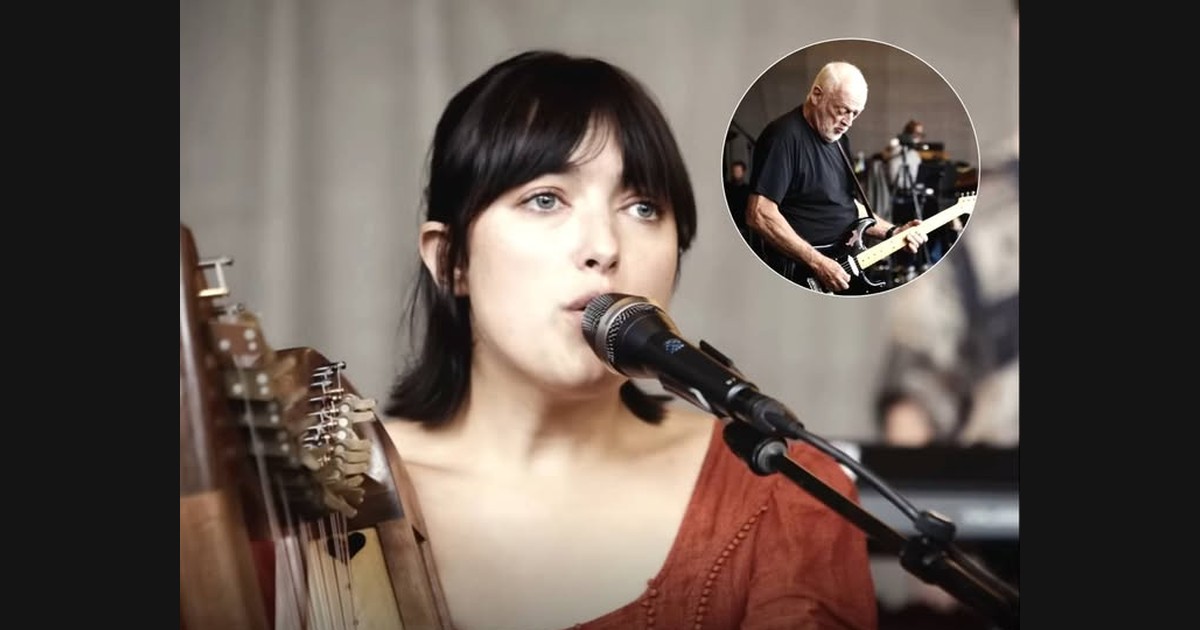
A tour rehearsal is a musical performance with a particular job. It helps prepare a program, yet a filmed rehearsal can also become an official release that listeners encounter independently. David Gilmour’s recording of Between Two Points with Romany Gilmour provides a useful example.
The opening selection is explicitly published by Gilmour as a tour rehearsal. Its companion is an official recording from the Circus Maximus in Rome. A third selection returns to rehearsal material with Breathe (In the Air)/Time. This sequence offers a way to think about the organization of an artist’s archive, rather than treating every published clip as the same kind of concert document.
Read the recording context first
Watch on YouTube ↗
Gilmour’s official music catalog places the tour rehearsals at King Alfred Leisure Centre in Brighton in September 2024. It lists them separately from the Rome concert and the project’s music videos. Those headings describe different occasions and different editorial purposes.
That distinction matters before drawing conclusions from the setting. A rehearsal film can be carefully recorded and deliberately released. Its availability to an audience does not transform the original occasion into a public concert, just as a polished camera presentation does not automatically make something a studio music video.
Romany is credited on the album project for vocals and harp, with lead vocals on this song. Those are album credits. When comparing the filmed performances, follow what each musician contributes in that particular presentation rather than assuming that every credit represents the same action in every clip.
The same title in another setting
Watch on YouTube ↗
The second selection’s official title identifies the Circus Maximus in Rome. It therefore offers another performance context for the same repertoire, not merely another name for the Brighton session.
Try following the beginning and end of one vocal phrase across the two recordings. Note how the instrumental continuation relates to that phrase and how the camera chooses to frame the relationship. This gives the comparison a manageable musical unit without requiring an invented account of backstage decisions.
A difference you notice need not be explained by a different arrangement. Room sound, microphone balance, performance choices and film editing can each change how a passage reaches the listener. The published credits establish the setting; the listening comparison can remain open about the cause of a particular impression.
Rehearsal material can form a program
Watch on YouTube ↗
The third selection changes the repertoire while retaining the rehearsal label. The official catalog groups Breathe (In the Air)/Time with other tour rehearsal extras. That makes it a useful companion for understanding a session as a sequence of prepared material rather than a single isolated song.
Consider whether you want to follow a composition through different occasions or follow one occasion through different compositions. The first route links the opening two videos. The second connects the two rehearsals. Each creates a different listening order from the same small collection.
The practical benefit is clearer labeling. Song title, location, session type and release format answer separate questions. Keeping them distinct lets the rehearsal stand on its own terms while leaving room to explore how the music travels into a concert program.


