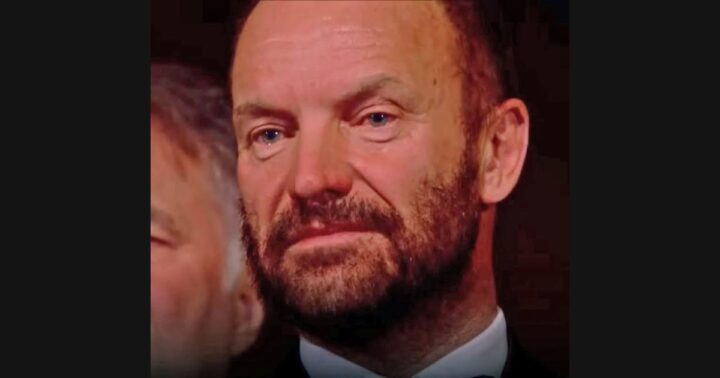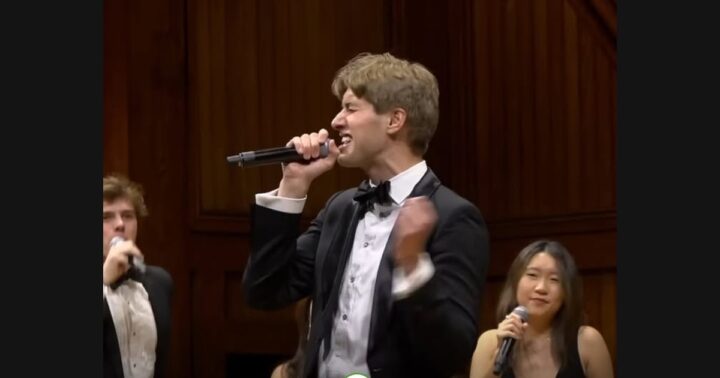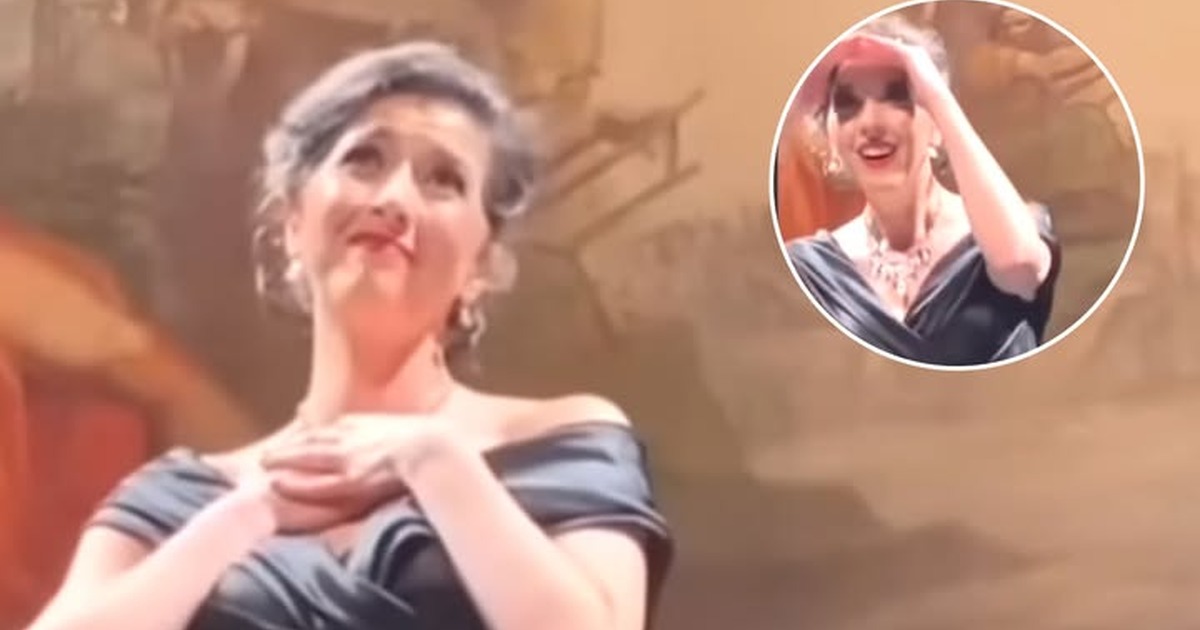
The circulating clip of Lisette Oropesa’s Sempre libera is often introduced through the surprise of another voice entering from the audience. There is a more useful musical starting point: the tenor’s intervention belongs to the dramatic design of the scene. Knowing why that voice is there makes the moment more interesting than a simple story about somebody unexpectedly singing along.
Sempre libera comes from Giuseppe Verdi’s La traviata. Violetta is weighing her independence against the possibility of love. Alfredo’s voice interrupts that apparent certainty. The scene is not simply a display of fast singing; it stages a conflict in which a second musical presence challenges the first.
The interruption has a dramatic purpose
Watch on YouTube ↗
In the opera, Alfredo’s contribution is heard from offstage. A recital extracts the music from the full production, but the musical relationship remains. The soprano’s material and the tenor’s contribution do not have identical jobs: one develops Violetta’s declaration, while the other brings an alternative thought into that space.
This distinction changes what a listener follows. Instead of waiting only for an unusual incident, listen for the effect of contrast. A second voice can make a passage feel less like a closed statement and more like a response to something that cannot be dismissed.
Aria does not always mean completely alone
The everyday use of the word aria can suggest a singer standing in isolation. Operatic scenes are often less tidy than that. A passage associated with one character can contain another character’s intervention, surrounding recitative or a change of musical pace. A concert excerpt may preserve some of those relationships while removing scenery and action.
A practical way to hear this scene is to keep two columns in mind: what Violetta asserts and what the music places beside that assertion. Those columns need not be written out as translated words. Differences of entrance, melodic identity and vocal presence can make the conflict apparent even to a viewer who does not speak Italian.
Oropesa’s official calendar documents her 2021 Parma recital with pianist Francesco Izzo. That establishes a concert context without requiring a detailed, independently unverified biography of the person in the audience. The interesting dramatic relationship is already supported by the opera itself.
Another selection from the same opera
Watch on YouTube ↗
The Three Tenors’ Brindisi selection provides a different kind of public-facing excerpt from La traviata. Compare its social, ensemble-oriented function with the conflict attached to Sempre libera. Shared authorship does not mean the two numbers perform the same dramatic task.
This is also a reminder that concert programming reshapes opera. A number can become a celebratory showcase outside its original scene. Recognizing the change helps a viewer enjoy the concert format while retaining a sense of the work from which the music came.
A duet built for another performance language
Watch on YouTube ↗
The Bocelli and Jennifer Lopez Quizás, Quizás, Quizás selection changes repertoire and presentation again. Here the useful comparison is how two featured performers share attention, rather than whether the format resembles an opera production. An exchange between singers can be central in both settings while serving different purposes.
Returning to Oropesa’s clip with the scene in mind gives the second voice a clear musical role. The surprise may draw attention, but the written conflict explains why an intervention can matter to the shape of the passage, rather than existing only as an interruption around its edges.