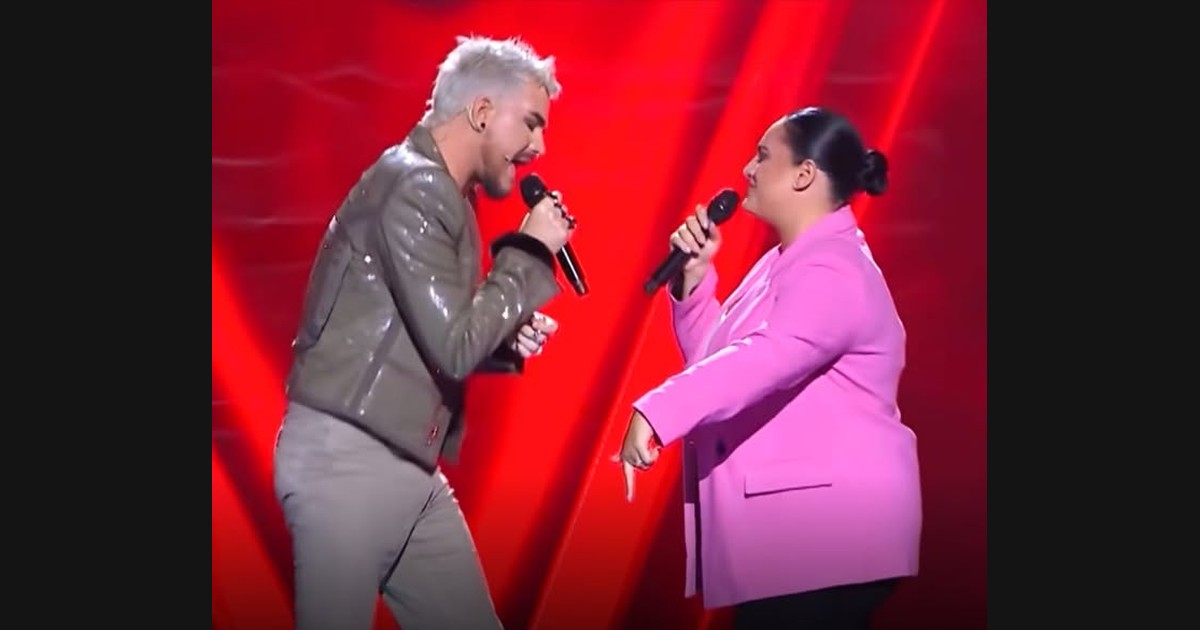
A recognizable instrumental idea can give different singers common ground. Natalie Colavito’s “Whole Lotta Love” audition and the shared stage material with Adam Lambert are useful to consider through that framework: another voice can enter without requiring the song to become a new composition.
The Voice Australia’s own verified channel identifies Colavito’s blind audition in a 2024 upload. The accompanying selections place the exchange beside a coach-and-contestant duet compilation and a separate Lambert interpretation of the same song. Those are related references, not three records of one continuous occasion.
Watch on YouTube ↗
The framework remains while attention changes
A recurring figure can help a listener maintain orientation as the lead singing develops. It can supply a reference beneath different phrasing, making room for variation without losing the composition’s identity.
Begin by following that relationship rather than trying to measure which voice is stronger. What stays recognizable beneath the vocal line? When attention shifts toward another singer, does the musical framework keep the exchange connected or prepare a contrast?
This is a useful distinction between a solo becoming a collaboration and a performance being replaced. A featured guest can change the distribution of attention while the first singer remains part of the musical account. The exact allocation should be described from the recording rather than inferred from a dramatic title.
A coach can become a participant
Competition programs usually present coaches as evaluators. Shared singing changes their immediate role: the coach becomes a musician in the same performance space. That shift can be interesting without an invented claim that the segment was entirely unplanned.
Consider the difference between responding verbally to an audition and responding musically within its repertoire. A shared phrase can demonstrate a relationship through sound, while spoken feedback explains it in another way. Neither should be expanded into a prediction of a contestant’s future career.
Watch on YouTube ↗
A compilation needs boundaries
The Voice Global companion gathers coach-and-contestant duet material. Its format can establish a broader television pattern, but neighboring clips should not be mistaken for other moments from Colavito’s particular audition.
Identify a segment before comparing it. The people, song, and occasion matter more than a compilation’s promise of surprise. A recognizable program brand does not make every performance belong to the same season or country.
Lambert’s earlier song reference changes the comparison
Watch on YouTube ↗
The separate “Whole Lotta Love” upload introduces Lambert in another performance context. Keeping the composition constant makes a focused comparison possible: how does a phrase function when he carries an interpretation independently, and how does the material work when attention is shared?
Do not assume that differences in captured sound reveal differences in vocal effort. Recording format, accompaniment, and available context can all affect what becomes prominent.
A useful final note names one stable musical feature and one change in the singers’ relationship to it. That explains how familiar repertoire can connect a contestant, a coach, and another stage interpretation without reducing the story to a chair reaction, an imagined emotional impulse, or a claim that the same song must always demand the same delivery.


