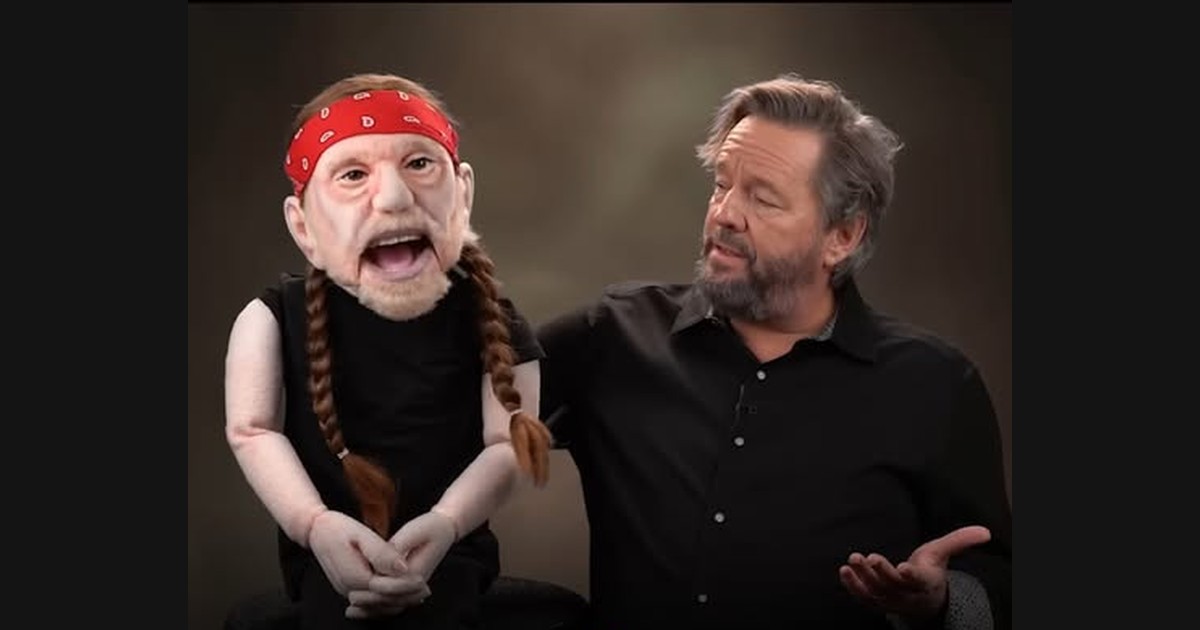
Terry Fator’s “Always on My Mind” performance creates an entertaining question with an obvious practical answer: the Willie Nelson figure is a puppet, while Fator is the performer presenting the voice and character. The interest lies in how the scene invites attention toward the fictional singer while keeping that theatrical arrangement visible.
Fator’s official site describes a combination of impressions, comedy, and ventriloquism. Those are related tools, but they do different work. The puppet supplies a character, the impression supplies a recognizable vocal reference, and the composition supplies the musical material.
Watch on YouTube ↗
Three layers, three kinds of recognition
| Layer | What the viewer recognizes |
|---|---|
| Character | A designed figure representing a familiar public performer. |
| Voice | An impression that points toward a recognizable singing style. |
| Song | A composition with an identity beyond either the puppet or the impression. |
The layers can reinforce one another without becoming the same thing. A familiar song may make the vocal reference easier to place; the figure may encourage the eye to attribute an entrance to the character. None of that means Nelson himself is participating in the recording.
The fiction is part of the performance
A ventriloquial character does not need to fool the viewer about its physical existence. The audience can understand the arrangement and still follow the character as a theatrical participant. Attention moves between appreciating the performer and accepting the scene’s temporary fiction.
Watch where your attention goes when a phrase begins. Do you follow the figure, the human performer, or the musical thought? Then notice whether that changes as the phrase continues. The question concerns presentation rather than an unsupported technical diagnosis of how the uploaded sound was captured.
A vocal impression also does not reproduce an entire person. It selects recognizable features for a particular performance. Describing that reference is more precise than saying that a performer has literally become the artist being represented.
The character can invite affectionate recognition without making every musical phrase a joke. A listener may follow the melody seriously while enjoying the theatrical mismatch between a familiar voice and its visibly constructed speaker.
Watch on YouTube ↗
An impression can stand apart from the puppet
Fator’s second “Always on My Mind” upload keeps the Nelson reference explicit. Compare how the presentation directs attention toward the voice and character. A change in screen emphasis can alter the experience even while the song remains the same.
Not every comic presentation of a song is a rewritten-lyric parody. Humor can come from the person or character apparently delivering recognizable material. It is useful to identify the source of the comic premise instead of assuming the composition itself has been changed.
Watch on YouTube ↗
The actual artist is a separate reference
Nelson’s official video provides the performer reference outside Fator’s act. The song’s writing remains separately credited to Wayne Carson, Johnny Christopher, and Mark James. An impression of a famous interpretation does not transfer those authorship credits.
After the comparison, name what you recognized first: the figure, the voice, or the song. That answer explains how the act organizes familiarity. It leaves room to appreciate a comic character and a musical interpretation while keeping the real performer, the portrayed artist, and the writers clearly identified.


