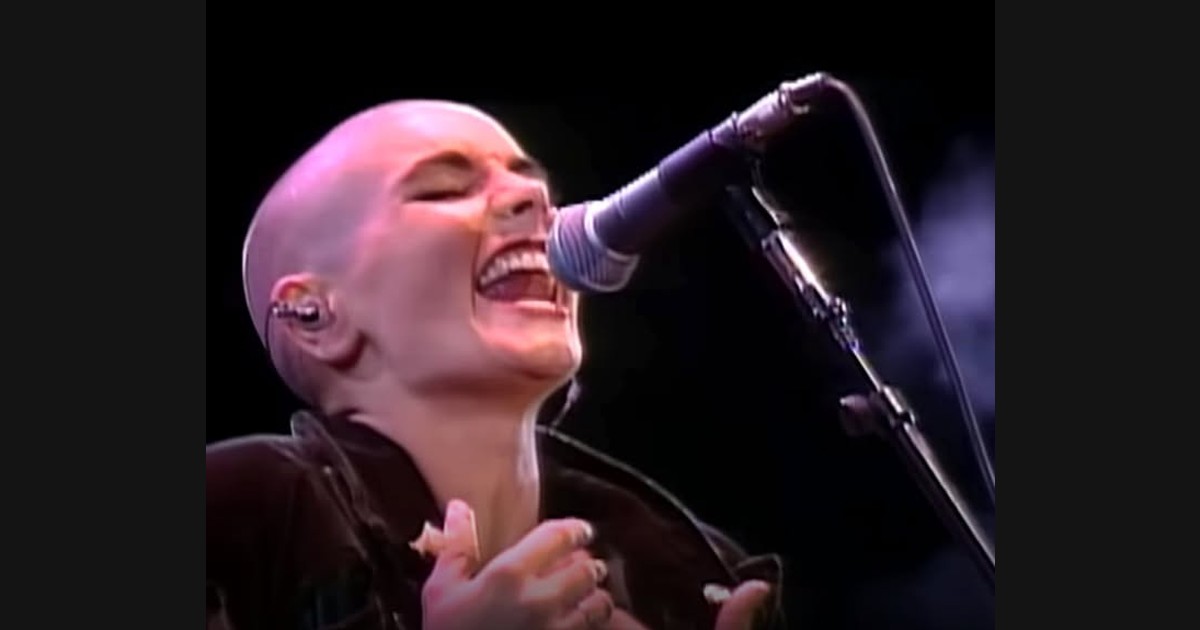
The version that first comes to mind is not always the first recording of a song. “Nothing Compares 2 U” makes that distinction especially useful. Sinéad O’Connor’s interpretation became a major public reference, while the composition belongs to Prince and has a recording history that predates her version.
The official live selections and music video let the discussion move beyond a contest over ownership. Writing a song, recording it first, releasing a version, and giving it a widely recognized interpretation are different contributions.
Watch on YouTube ↗
A short chronology prevents a familiar mistake
| Reference | What it establishes |
|---|---|
| Prince, July 1984 | The estate identifies an early recording made before the song’s first album release. |
| The Family, 1985 | The song appeared on the group’s album before O’Connor’s hit version. |
| Prince archive release, 2018 | An earlier recording reached the public much later than it was made. |
That sequence explains why “original” needs qualification. It can mean the writer’s recording, the first released version, or the version a listener first encountered. Those references can differ without making a later interpretation artistically secondary.
The title frames an absolute comparison
“Nothing Compares 2 U” gives the narrator a strong premise: ordinary comparisons seem inadequate against the remembered person. That is a dramatic position within the writing, not a claim that every detail is a literal account of the singer’s own relationships.
Follow how a complete thought moves toward the recognizable title. Does its return feel like a conclusion to the preceding detail or a renewed statement that remains unresolved? A specific observation about phrasing explains more than assuming that expressive delivery provides access to a private memory.
The main official upload is labeled simply “Live.” Keeping its setting at that level is more accurate than attaching an unsupported venue or year because another performance appears beside it.
Watch on YouTube ↗
A dated live reference narrows the comparison
The second official selection identifies Europe in 1990. It supplies a historical reference without establishing that the main clip belongs to the same occasion. Compare a recognizable phrase while allowing each recording to retain its own available context.
Notice the relationship between the vocal line and its surroundings. A phrase can feel different because of its pacing, the accompaniment, or the space around it. Where the cause is uncertain, describe the effect rather than inventing a production explanation.
Watch on YouTube ↗
The official video adds another frame
The music video gives the composition a screen presentation with its own organization of attention. A viewer’s memory of those images may influence a later response to the live recordings, even when the song is heard without them.
Try separating what you recognize musically from what you remember visually. That distinction reveals how a particular interpretation can become a reference through both sound and image.
The result leaves room for several histories at once: Prince’s writing and recording, The Family’s release, and O’Connor’s interpretation. Hearing those roles clearly makes the cover more substantial, because its significance comes from what it contributes rather than from a mistaken claim that the song had no life before it.


