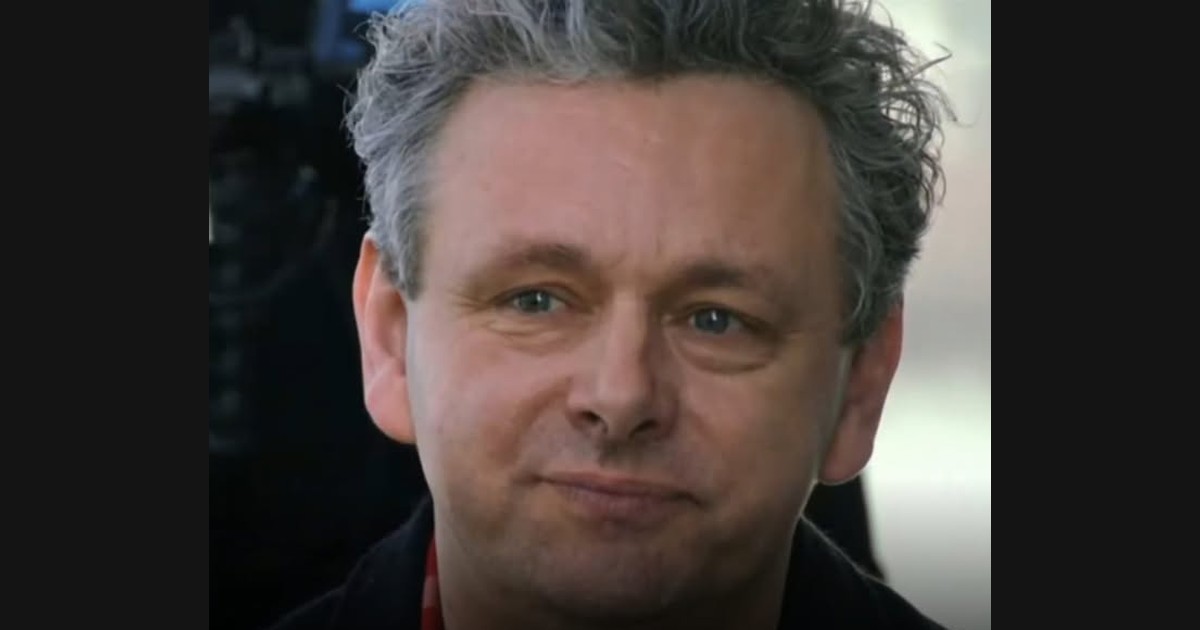
A musical gift changes who holds the floor. After Michael Sheen’s interview on The Assembly, a performance of Here Comes the Sun turns the guest into a listener and brings the musicians into the foreground. The scene is more than a celebrity reaction.
Joey Chike’s own upload identifies his fellow vocalists as Elijah and Julice, with James on guitar. He describes performing after the interview and thanks West London Performing Arts Academy for the opportunity. Those firsthand credits give the music-makers a place in a story often told through the person receiving it.
Watch on YouTube ↗
The direction of attention changes
An interview usually organizes attention around a guest’s answers. A musical performance can redirect it toward the people who have been asking the questions. The guest’s responsibility becomes receiving and attending, rather than supplying the next anecdote.
That change is important to how the scene works. The performers have something prepared to offer; the song has its own shape and duration. It is not simply another question that needs an immediate verbal answer.
A familiar composition also supplies a shared reference without requiring everyone present to participate in the same way. Some people perform, some listen, and a filmed viewer encounters the exchange later. Those roles can be connected without being identical.
A song about arrival suits a change in atmosphere
Here Comes the Sun moves around the prospect of renewed warmth after a difficult season. Its subject gives a musical greeting a clear direction: the point is an arrival and an opening outward, rather than a detailed account of one person’s life.
That makes it a useful shared song without making it a medical claim. A performance can offer pleasure, recognition or a moment of connection without proving a therapeutic outcome. Its value in the programme comes from what the participants make together.
The guitar and vocal credits also suggest a practical distinction between support and foreground. Accompaniment gives singers a common musical setting, while the voices carry the words. Each responsibility contributes to the shared offering.
Watch on YouTube ↗
The interview context still matters
The BBC describes The Assembly as a collective interview involving autistic, neurodivergent and learning-disabled participants. Its own companion clip shows the question-and-answer side of the programme. That frame establishes the participants as interviewers, not as anonymous spectators surrounding a famous guest.
It would be a mistake to turn one musical scene into a claim about every person’s experience or ability. The more useful account keeps the named performers, the particular programme and the specific exchange in view.
Watch on YouTube ↗
A reaction is part of the scene, not its entire subject
The final excerpt centers on Sheen’s interview material. Alongside the musical clip, it helps restore the programme’s movement between asking, answering and listening. The recordings present related portions of an encounter rather than three separate performances of the song.
Remembering the musicians’ names changes the emphasis. The scene includes a recipient who responds, but it also includes people making and presenting something. The shared song becomes their contribution to the occasion, with its own work and identity.


