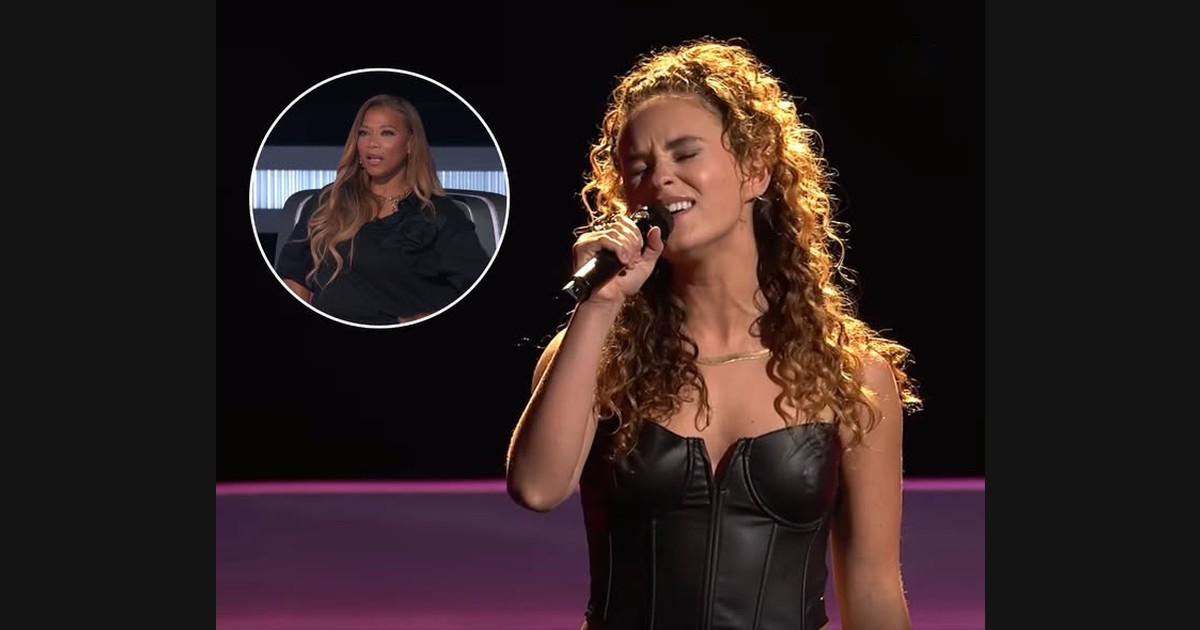
The four-chair turn is the headline attached to Nina Howland’s Love Me Like a Man audition. The song offers a second reason to stay with the performance. It gives a singer a direct, assertive point of view and a rhythmic setting in which conviction has to be expressed through phrasing.
NBC’s official The Voice upload identifies Howland, the song and the blind-audition setting. Its title confirms the four-chair response. That establishes the television result without requiring predictions about a later round or the singer’s future career.
Watch on YouTube ↗
Associated performer and songwriter are different credits
The programme presents the song through its association with Bonnie Raitt. Chris Smither’s own website makes an additional distinction: he wrote it. In a post about another cover, his site explicitly notes how often the song is introduced as a Raitt number.
Both relationships matter. A recording artist can make a work widely recognizable, while its writing belongs to someone else. Keeping those roles visible makes the repertoire’s path more interesting, rather than taking anything away from the interpreter.
It also changes what a new singer is being asked to do. Howland enters a song with a performance history, but need not become an impersonation of the artist most associated with it. The dramatic stance remains available for another voice.
Assertiveness is a musical task
The narrator has requirements and is prepared to state them. To communicate that position, a performance needs more than loudness. The placement of an entrance, a clear stress and the decision to leave a phrase uncluttered can all contribute to authority.
In blues-oriented singing, the relationship to the pulse is especially useful to follow. A phrase may press forward or allow a little room around a word while remaining connected to the accompaniment. Freedom is meaningful because the musical ground remains clear.
For a focused comparison, follow a complete phrase and the space after it. Does the thought feel finished, or does it invite an instrumental answer? That question keeps attention on musical argument rather than reducing the performance to a sustained high note.
Watch on YouTube ↗
Bonnie Raitt in a full concert frame
The Music Vault companion identifies Raitt’s performance at Oakland’s Henry J. Kaiser Auditorium on 26 November 1989. This is another occasion, not footage from Howland’s audition. It gives the song a concert setting in which the artist associated with it carries the lead.
The change of format matters. An audition has a television decision built into its frame; a concert number belongs to a continuing set. The same composition can support both without making the audience’s visible response its musical measure.
Watch on YouTube ↗
Austin City Limits brings Raitt and Brandi Carlile together for the song in its Hall of Fame presentation. The collaboration supplies another contrast with the individual audition: a shared performance of established repertoire.
Across these versions, the durable subject is the narrator’s directness. Howland’s chair-turn result marks a television moment; the song’s writing and performance history explain why the material remains worth hearing after that moment has passed.


