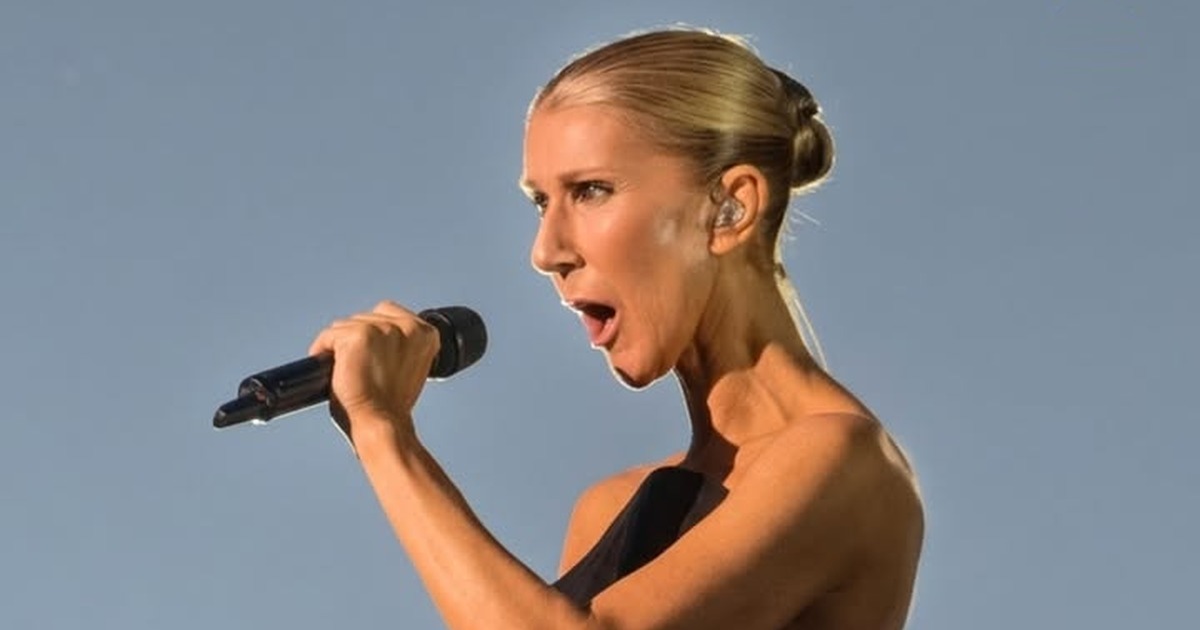
A song about solitude can acquire another frame when people hear it as part of a return. That is the possibility around Céline Dion’s All by Myself in this selection. The composition supplies one situation; the public context around the singer supplies another. Neither needs to erase the other.
Dion’s official site reported her Paris engagement opening in September 2026 at Plenitude Arena. The embedded video is a third-party upload titled All By Myself Celine Dion Paris 2026, published September 12 and crediting another social account. Its label connects it with that period, but does not independently identify every detail of the recording’s provenance.
The Paris-labeled performance
Watch on YouTube ↗
The title and occasion are different stories
A familiar song has an established dramatic situation even when a performer’s circumstances change. Listeners bring knowledge of a stage return, yet the composition does not automatically become a literal account of the singer’s private life.
Keeping those layers distinct makes room for different responses. One listener concentrates on the song’s emotional premise; another responds to seeing an established performer again. Both kinds of attention can be meaningful without proving that every phrase documents personal experience.
A direct title such as All by Myself makes a biographical connection tempting, but resemblance is not evidence. The song functions as repertoire, interpretation and part of an occasion simultaneously. A singer’s public presence gives listeners a frame while the writing retains a situation of its own.
Follow a complete statement
Well-known ballads can be reduced to one demanding passage. That approach makes everything else seem like a delay before the real event. A fuller reading treats each phrase as part of the route that gives an arrival its meaning.
Distinguish continuation from arrival as you follow the piece. A continuing phrase keeps a statement moving; an arrival offers somewhere to settle or change direction. This relationship can be heard without assigning medical significance to a note or assessing the singer’s health.
It also leaves room for the composition. A sustained direction belongs to the whole song, including material less likely to appear in a short excerpt. Recognition then helps attention rather than becoming a reason to wait only for a familiar highlight.
A duet supplies company within the performance
The second clip pairs Dion and Josh Groban for The Prayer. Two named vocal performers share a piece rather than one singer carrying the principal address alone.
Watch on YouTube ↗
The idea of musical company changes when another singer participates. This differs from a title’s meaning. Someone can sing about solitude within a public gathering, or share a duet whose relationship is established through two voices.
An instrumental partnership widens the selection
The final upload identifies Dion and Joe Walsh performing George Harrison’s Something. Both the composition and kind of named partner change. The credits point toward a singer-and-guitarist relationship rather than another version of the Groban duet.
Watch on YouTube ↗
The Paris context is one chapter within this broader repertoire. Returning to the opening selection keeps the focus on musical work: different pieces and collaborators provide different ways to shape an address, while the 2026 engagement supplies this particular clip’s public frame.


