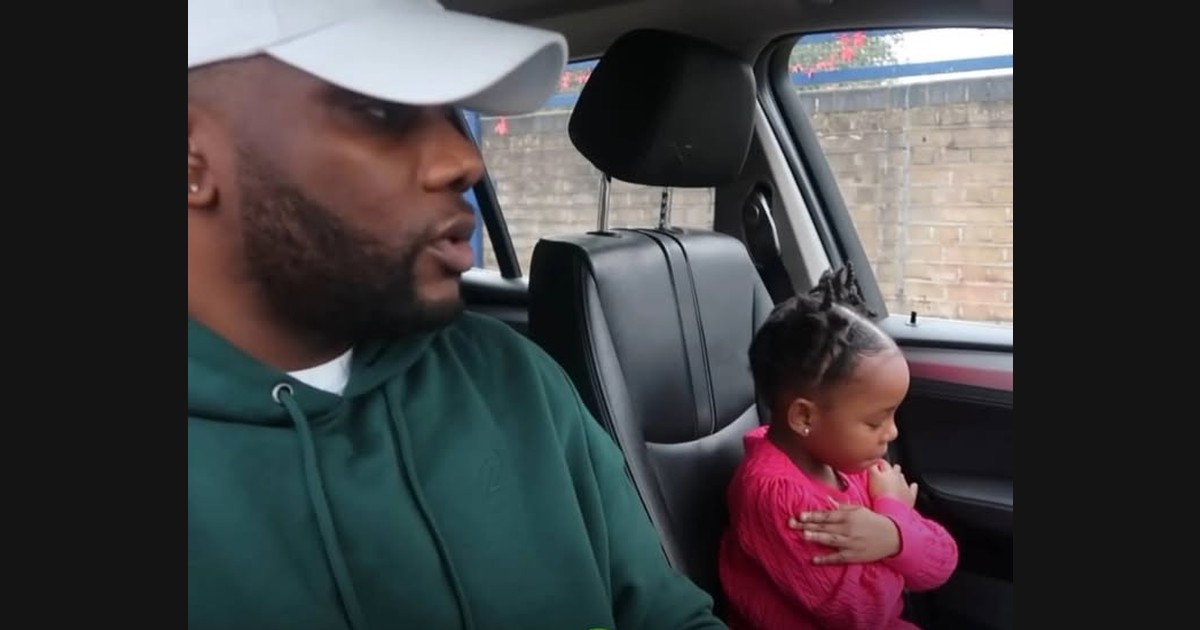
Singing along is a different musical activity from giving a recital. The recording already supplies a melody, accompaniment, and pace; the participants respond through voice, gesture, and conversation. The Kabs Family’s videos featuring Maliya and Tay make that shared response the center of attention.
The car setting gives the exchange a compact visual frame, but the interesting subject is not a claim that a child possesses impossible musical knowledge. It is how familiar music becomes material for interaction between two people who can recognize, anticipate, and respond to one another.
Watch on YouTube ↗
Recognition is something people can share
A familiar song allows participation before anyone delivers a formal introduction. A listener may anticipate a melodic return, respond to a recurring beat, or recognize a phrase before singing it. Those different forms of familiarity do not all require the same kind of musical knowledge.
That distinction matters when a family video is presented as a playful contest over who knows the music. Remembering a title, recognizing a sound, and following a rhythm are separate tasks. A short clip should not become a test of someone’s intelligence, development, or complete listening history.
Watch for the exchange itself. Does one person’s gesture become something the other answers? Does a spoken moment briefly redirect attention before the music becomes central again? Those relationships help explain why a singalong can feel like a conversation rather than a solo performance with someone seated nearby.
Conversation has its own rhythm
Speech and music organize time differently, but they can interact within one scene. A pause before a reply, a repeated expression, or a shift between speaking and singing can supply a comic structure without becoming part of the recorded song.
Try separating the two timelines. Follow the music’s recurring ideas on one pass. On another, follow the conversational turns. Where do they seem to align, and where does the exchange take attention away from the track? This reveals two connected layers rather than assuming that all of the scene’s appeal belongs to the chosen recording.
The result can be appreciated without claiming to know how much preparation or editing occurred. A family-published entertainment video presents an exchange; it does not document every moment before and after the camera was used.
Watch on YouTube ↗
A recurring format, separate occasions
The second family upload supplies another example of the car-music format. Its historical title uses an age label, but that should not be transferred into a statement about Maliya’s age today. A publication date and a present biography are different kinds of information.
Compare what the format keeps consistent: proximity between participants, music as a shared reference, and space for spoken responses. Then notice what changes with another selection or another conversational premise.
Watch on YouTube ↗
The 1990s-themed companion makes the idea of musical generations explicit in its presentation. Rather than treating taste as something fixed by age, consider how recordings can be encountered across family relationships. A song’s original audience is not its only possible audience.
The most useful description names an interaction you can actually follow: a response, an anticipated return, or a transition from speech into singing. That keeps the emphasis on shared musical activity and leaves exaggerated claims about talent, memory, and future careers outside what these short scenes can establish.


