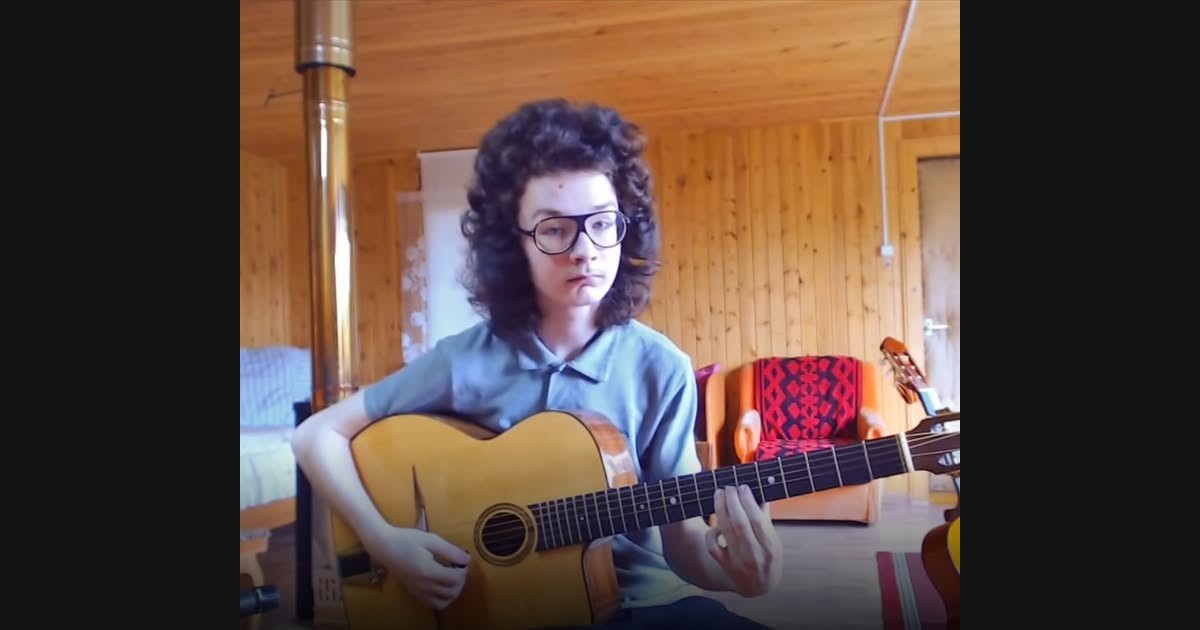
“Original” can mean several things in a guitar-video conversation. It may refer to the composition, a particular arrangement, a solo over an existing backing, or simply the recording another player used as a reference. Max Ostro’s “Rhumba” and its companion clips become clearer when those meanings remain separate.
Ostro’s own upload credits the piece to DiDuLa. The selection then moves to his JTC “Groove On” feature and David Daza’s “Rhumba” cover. Together they show different ways a guitarist can contribute creative decisions without needing to claim authorship of every underlying musical element.
Watch on YouTube ↗
A piece and its interpretation
In a cover, recognizing the source material is only the beginning. The performer still decides how to make phrases connect, where an idea should stand out, and how the overall account should move. Those decisions can produce a distinct identity while the composition remains attributable to somebody else.
For “Rhumba,” begin with a melodic idea you can recognize when it returns. Follow how it is placed within the surrounding material. Does a return feel like confirmation, contrast, or continuation? A useful observation explains that function rather than reducing the performance to the speed of the busiest passage.
Do not assign a particular playing method from a quick visual impression if you cannot identify it confidently. Describing a sustained note, a sharply articulated figure, or a change of texture is often enough to explain the musical effect. Equipment and exact technique are additional questions, not prerequisites for listening.
A solo within an existing framework
Watch on YouTube ↗
JTC identifies “Groove On” as a Martin Miller backing track in its Electric Fusion Soloing release featuring Ostro. That context changes the authorship question. The backing supplies a framework, while the solo develops material in relation to it.
Listen for the relationship between continuity and departure. What remains stable underneath a changing lead line? When does the solo seem to settle into a recurring idea, and when does it move away? These questions concern the organization of the music, not whether the complete result was invented without preparation.
A finished solo video does not by itself reveal every rehearsal, edit, or compositional decision. It can still demonstrate an interpretation of a framework. Keeping that distinction clear avoids turning an enjoyable performance into an unsupported story about instant, effortless invention.
When a performance becomes somebody else’s reference
Watch on YouTube ↗
David Daza’s upload names Ostro as the reference for his “Rhumba” cover. That is a different kind of credit from the original composition attribution. A musician can learn from or respond to a particular performer’s treatment while the underlying piece retains its earlier authorship.
Compare what remains recognizable at two levels: the musical idea associated with the piece, and the presentation choices that may connect Daza’s account with Ostro’s. Leave uncertain relationships open rather than claiming a note-for-note reconstruction without checking one.
A useful description therefore names both source and contribution. DiDuLa is the credited source of “Rhumba”; Ostro supplies an interpretation; Daza identifies a performance reference; the JTC clip places Ostro within another writer’s framework. Those distinctions make the creative chain more interesting than a simple contest over who played something first or fastest.


