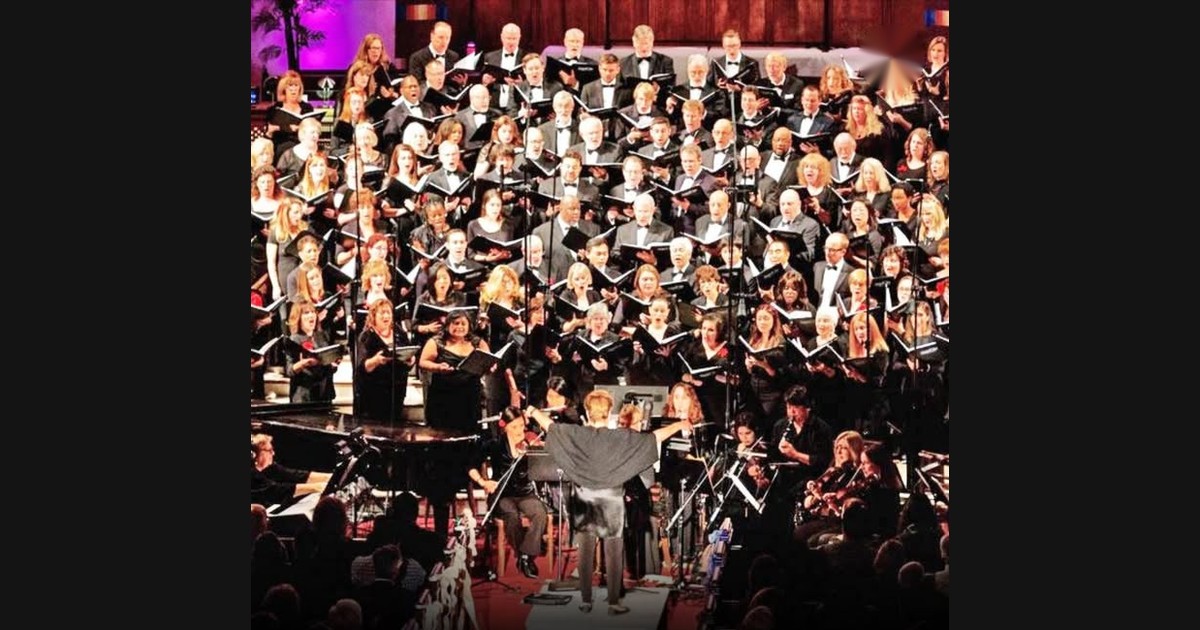
A choir can suggest a rainstorm before it sings a recognizable song. The effect changes what the audience thinks a group of singers can do: individual small sounds combine into an environment, and changes in their density can suggest weather developing over time. Angel City Chorale’s “Africa” offers a route into that kind of ensemble listening.
The useful comparison is not a competition over which choir invented rain. Perpetuum Jazzile’s “Africa” and Eric Whitacre’s Cloudburst show related possibilities in different musical settings. Two are presentations of a familiar Toto song; the third is a separate composition with its own text and structure.
Watch on YouTube ↗
A sound can represent something without copying it exactly
Recorded rain and a performed suggestion of rain are different things. In a choral presentation, a sequence of small attacks can invite an association with droplets. Greater activity may suggest a heavier shower. The audience supplies part of the connection between the sound and the natural event.
Listen for three changes: how many sounds seem active, how regularly they occur, and how strongly they stand out. Density, regularity, and loudness are related but not identical. A busy texture can remain soft, while a single strong event can interrupt an otherwise sparse passage.
Those distinctions make the opening more than a novelty. It can create anticipation and prepare a transition into pitched musical material. The point where a listener starts following a tune instead of an environment is worth noticing, even if the change feels gradual rather than marked by a clear boundary.
Another Africa, another ensemble identity
Watch on YouTube ↗
Perpetuum Jazzile’s official biography describes its use of vocal percussion and choreographed hand and body movements to simulate storms. That makes the companion video a useful comparison in ensemble technique rather than an unrelated weather-themed clip.
Keep the shared composition separate from each group’s presentation. The song can remain recognizable while the preparation, balance, and transition into singing differ. A listener can compare where attention moves from an overall soundscape toward a foreground line without claiming that every audible effect has the same source in both recordings.
It is also useful to watch once and listen once without following individual gestures. The screen may explain how a sound is produced, while audio alone makes the combined texture easier to hear. Neither perspective needs to cancel the other.
Cloudburst is a composition, not another Toto cover
Watch on YouTube ↗
Whitacre’s Cloudburst changes the comparison. The composer’s own account describes modifying a campfire finger-snapping rain effect for the work, whose text is adapted from Octavio Paz. The weather imagery belongs within a separately composed musical structure rather than an introduction to “Africa.”
Compare the function of the storm, not merely the resemblance of individual sounds. Is weather establishing a setting, preparing a transition, or becoming an extended part of the work’s argument? The answer may differ across the selections, which is precisely what makes the comparison useful.
Afterward, describe one change in density and one change in musical focus. That vocabulary explains how coordinated performers can create the impression of weather while also directing a listener through a piece, giving the effect a structural purpose beyond its immediate surprise.


