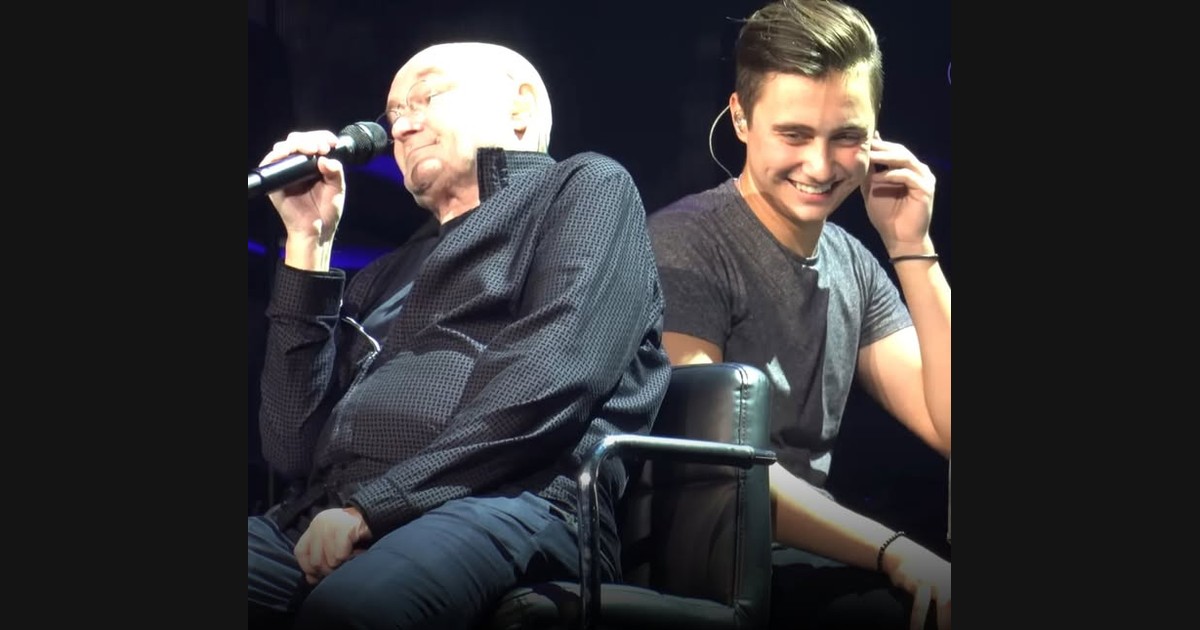
A song excerpt and a complete concert recording do not offer the same boundaries. The Houston “You Know What I Mean” upload includes Phil Collins’s introduction before the ballad, while another upload from the same filmer presents the whole show. That difference gives viewers more than a choice of running time.
The original filmer identifies the concert as Houston on September 24, 2019, and Nic Collins as the pianist for the song. The introduction and the performance belong to one documented sequence. A short musical excerpt can be appreciated independently, but it does not contain every part of the surrounding concert.
Watch on YouTube ↗
A title can hide the beginning of the experience
When a song becomes a standalone clip, the first frame is chosen by the person publishing it. An introduction may establish the performers, explain a selection or create a contrast with what follows. Removing it can change the viewer’s sense of how the musical moment begins.
The same is true of the ending. Applause, a transition or the beginning of another selection can place the song inside a larger public occasion. A clip’s boundary is not necessarily a boundary in the event itself.
Keep the composition separate from the occasion
“You Know What I Mean” belongs to Collins’s Face Value catalog. The label identifies that record as his 1981 solo debut. The 2019 performance is therefore a later return to established material, not evidence that the song was newly written for this family partnership.
The arrangement still has immediate responsibilities. Voice supplies the melodic statement while piano provides a framework around it. Those roles can make a short excerpt musically coherent even when the larger set is not available.
A different city’s recording
The New York upload presents the same song in another 2019 concert setting. It offers a comparison that keeps the composition stable while changing the particular occasion.
Watch on YouTube ↗
For a focused pass, choose one complete musical thought. Compare how it begins and reaches its destination. Avoid treating differences in a fan recording’s sound or camera distance as automatic proof of a change in the performers’ technique.
Audience recordings have their own positions and limitations. They can document real performances without providing an identical listening perspective from one city to another.
The full Houston show restores the larger frame
The final video is the filmer’s full-show Houston publication. It gives the excerpt a route back into its concert context rather than presenting a third separate performance of the ballad.
Watch on YouTube ↗
The useful viewing task changes. In the excerpt, attention can stay on the song’s internal structure. In the complete show, it becomes possible to consider how that selection relates to the program around it. A quieter arrangement can have a different role depending on what precedes and follows it.
Those relationships are worth exploring without inventing an exact set-list narrative. The recording itself supplies the material for the comparison. Keeping excerpt, full show and another city’s performance distinct lets a familiar song be heard as both an independent musical statement and one part of a longer live occasion.


