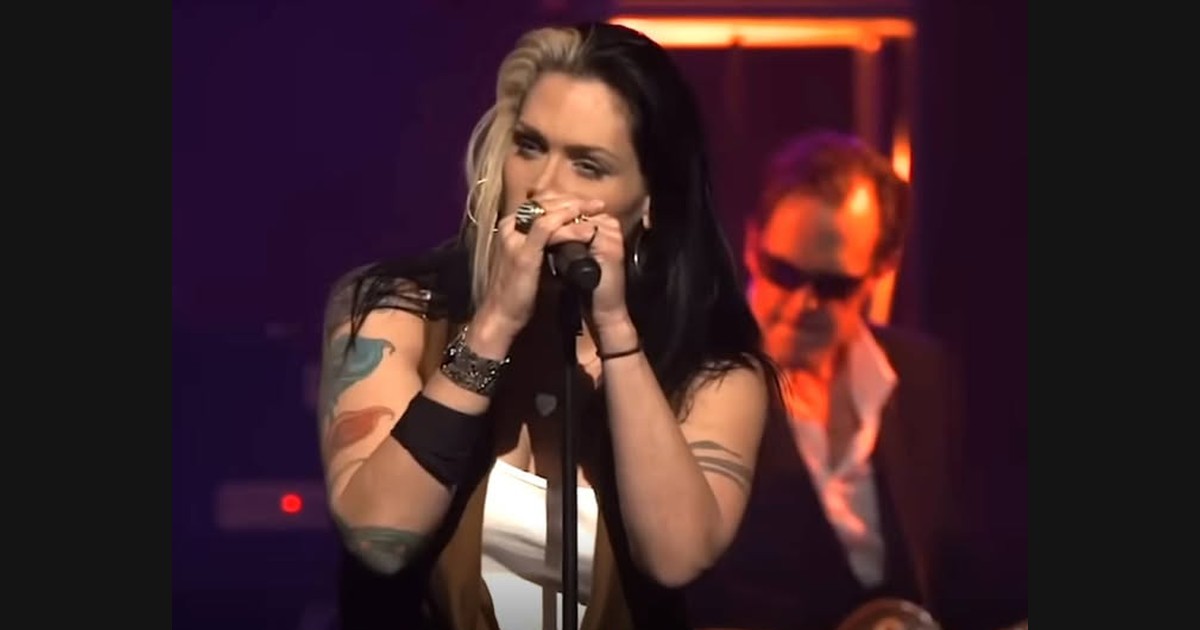
Beth Hart and Joe Bonamassa’s “I’ll Take Care of You” belongs to an established recording partnership, not only to one circulating concert clip. Hart’s official catalog includes it on their 2011 album Don’t Explain, alongside “I’d Rather Go Blind.”
Bonamassa’s own site identifies the Beacon Theatre performance with the 2012 Beacon Theatre: Live from New York release. The first embedded upload is an official artist-channel presentation of that concert material, published later.
Watch on YouTube ↗
Album, concert, and upload are separate references
A studio album entry places the song in the collaborators’ repertoire. A filmed concert release identifies a particular public presentation. A later online upload makes an excerpt available in another publication context.
Those references can coexist without sharing one date. The 2011 album does not date every live performance, and the later upload does not establish when the concert was filmed. A clear description names which kind of date it uses.
This is useful because a single video can look like a self-contained introduction to two artists. The catalog reveals a broader connection: the song is one selection within work they have released together.
The partnership still needs a musical account
A singer and a guitarist can share responsibility without carrying the same material at every moment. The voice can present a statement while an instrumental part supports, answers, or continues it. Other musicians can maintain the framework through those changes.
Choose one complete passage and follow what happens when attention shifts. Does the accompaniment continue an established pattern, or does another part prepare the next entrance? Use the recording to decide rather than attributing every effective moment to the most visible person.
For example, a guitar response can occupy a gap after a vocal phrase. Its function belongs to the space created by that phrase and the return that follows. Describing the relationship gives both performers a role beyond separate praise for voice and guitar.
Amsterdam changes the selection and occasion
Watch on YouTube ↗
“I’d Rather Go Blind” in Amsterdam follows the partnership into another song and another labeled concert setting. Hart’s album listing confirms that both titles are part of Don’t Explain, but that does not make the two live releases footage from one event.
Compare how responsibility moves between featured contributions while allowing the composition to change. A continuing partnership does not require every song to develop through the same arrangement.
Another Beacon upload requires a source check
Watch on YouTube ↗
The final upload identifies “I’ll Take Care of You” at the Beacon Theatre under another publisher’s name. It may provide another presentation of the featured occasion; its separate page does not automatically establish another concert.
Compare the passage and event identification before using it as independent evidence of a new performance. Keep the official release as the clearest catalog reference while giving the additional source its own proper label.
The resulting map is more useful than an isolated highlight: a studio partnership supplies repertoire, a concert release presents it live, and online publications preserve selected views. The music connects those stages while the dates, songs, and source identities remain clear.


