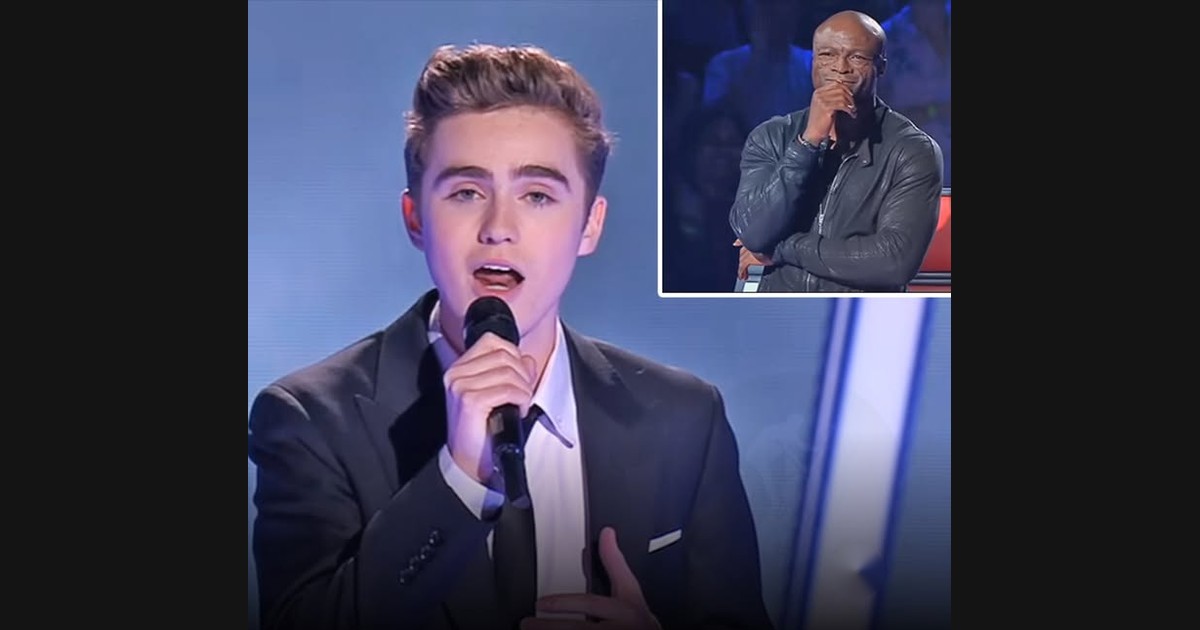
A sustained vocal phrase can still be an act of asking. “Broken Vow” begins by seeking information, giving the singer more to communicate than a sequence of long sounds. Harrison Craig’s performance is useful for hearing how that verbal direction can remain clear within a ballad’s musical space.
The related competition retrospective and official audio offer two other frames. They allow a short listening exercise to stay with the same performer and work, while the surrounding presentation changes.
Watch on YouTube ↗
A question creates a direction
A request implies something not yet known or not yet resolved. That can give a line forward motion even when the words arrive slowly. The listener follows what the statement is trying to obtain, rather than only how long a note is held.
Choose a complete verbal thought and follow its musical beginning, emphasis, and ending. Consider where the principal weight seems to fall. Does the line arrive firmly, remain open, or lead directly toward another statement?
The answer can be described without treating the narrator’s position as Craig’s private biography. A performer communicates a song’s situation through a particular delivery; that does not turn the situation into an independently verified event in the singer’s life.
Duration and direction are different things
A long note gives a phrase time, but it does not determine its function by itself. Its relationship with the preceding material and the point that follows can make it feel like an arrival, a continuation, or a suspension.
Try listening to the same phrase twice. On the first pass, follow only the melodic course. On the second, attend to the verbal thought carried through it. The comparison can reveal why a phrase feels complete musically while leaving its imagined situation unresolved.
This is a more precise subject than assigning the entire performance one emotional label. A ballad can contain several kinds of local emphasis within a continuing vocal identity.
A retrospective adds another sequence
The related Voice Global selection places Craig’s performances inside a competition journey. That frame can encourage the viewer to follow a developing program story as well as the music.
Watch on YouTube ↗
Keep the two courses separate. A compilation’s order explains how material is being presented in that upload; it is not automatically a complete record of every step in musical preparation.
For the listening exercise, retain one phrase-level subject while allowing a new selection to establish its own demands. A recognizable singer can communicate different forms of address across a repertoire.
The official audio restores the song
Craig’s official “Broken Vow” audio returns attention to the work without requiring the same television images around it.
Watch on YouTube ↗
Compare the phrase chosen from the first performance with the corresponding thought here. Focus on preparation and completion before judging a conspicuous point of vocal intensity.
The two presentations can differ while making the same verbal direction intelligible. An interpretation does not have to reproduce every detail of another recording in order to preserve a song’s central situation.
Hearing “Broken Vow” this way gives its long lines a clear purpose. The voice carries questions and statements through musical time, with pauses and endings shaping how those thoughts are received. The composition remains an active part of the performance, rather than only a setting in which to measure the singer’s range or strength.


