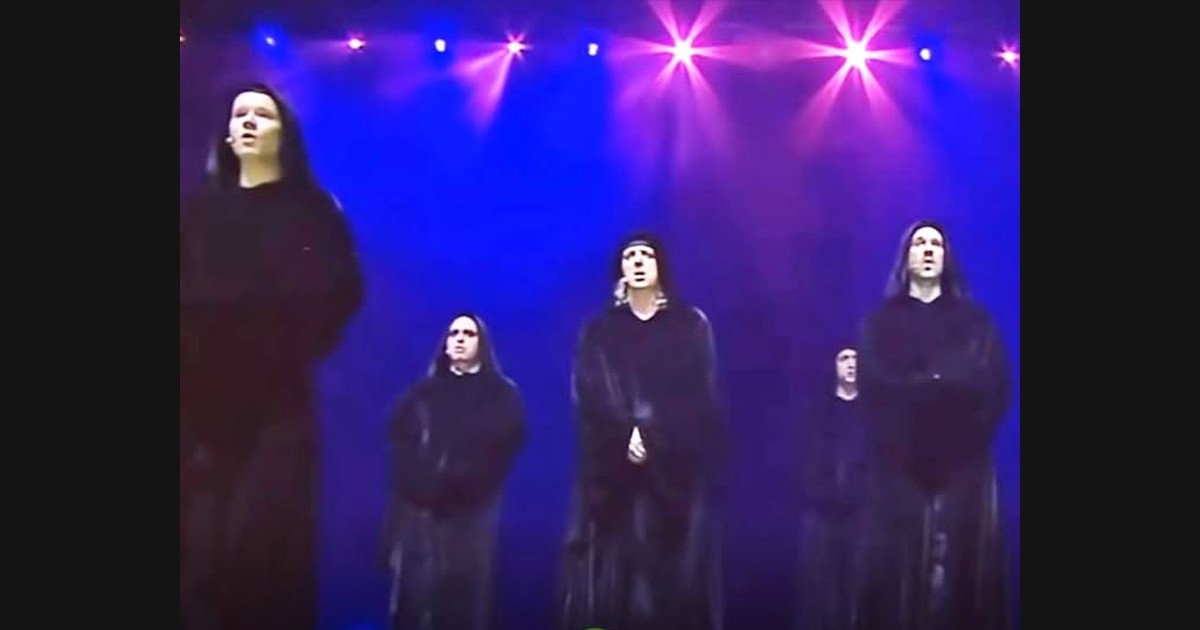
Gregorian’s “The Sound of Silence” combines a familiar popular song with a stage identity that evokes an older vocal world. The distinction is important: this is a modern music project interpreting repertoire, rather than evidence that Simon and Garfunkel’s song is a medieval chant.
The official upload identifies the performance with the 2013 Epic Chants tour. Gregorian’s own history traces the project to producer Frank Peterson’s idea of bringing an older chant reference together with contemporary popular music. The contrast is a deliberate artistic premise.
Watch on YouTube ↗
A reference is not an origin
An arrangement can evoke a historical style without changing when a composition was written or what it originally belonged to. Musical color, a shared vocal line and a coordinated visual presentation can create associations around a work while its underlying identity remains recognizable.
This gives the listener several different questions to ask. What is the source song? What resources does the arrangement use? What does the stage image suggest? The answers may point toward different periods or traditions without contradicting one another.
The name frames the listening experience
Gregorian’s official biography describes a project developed around the meeting of two musical worlds. That framing encourages the audience to hear a familiar tune through a collective vocal identity. The interest lies in the relationship between recognition and the new setting.
Robed stage clothing belongs to that presentation. Costume can make a group look coordinated and strengthen its chosen atmosphere, but it does not establish that the performers are members of a monastery or that the event is a religious service. The official recording presents a concert act.
Compare the official video
The second recording is another official presentation of “The Sound of Silence.” It changes the visual and release frame while keeping the named work and performing project in view.
Watch on YouTube ↗
Follow one returning melodic idea across the recordings. Ask what keeps it recognizable and what changes around it. This focuses attention on arrangement rather than assuming that a recognizable style has transformed the song’s authorship or original genre.
A useful further distinction is between several people singing one melodic line and several simultaneous parts creating harmony. A vocal ensemble can use both resources. The number of people visible does not by itself tell the listener which texture is operating in a particular passage.
Another song within the same tour identity
Gregorian’s official “Hallelujah” is also labeled with the 2013 Epic Chants tour. It provides another piece of familiar repertoire inside the group’s concert world.
Watch on YouTube ↗
The consistent project identity makes the different compositions easier to compare. A recurring presentation can connect a songbook without requiring every selection to have the same history or dramatic meaning.
Seen this way, the opening performance is more specific than an anonymous choir covering a well-known tune. It belongs to a named modern project with an explicitly described stylistic idea. Keeping the old reference and contemporary production distinct makes the arrangement’s transformation easier to understand, while leaving the source song identifiable underneath.


