The first upload is titled “Adam Lambert’s American Idol Performances” and published by a fan channel. That supplies a repertoire frame, but it does not establish that the montage includes every appearance, preserves the broadcast order, or gives each selection its original length.
ABC’s account of Lambert’s later Queen partnership identifies him as one of the two finalists in American Idol’s eighth season in 2009. That is useful historical context. It does not turn the fan compilation into an official complete record of the competition.
Watch on YouTube ↗
The selection makes its own argument
A compilation directs attention through what it includes, omits, and places together. Adjacent clips may highlight contrast even if those performances originally occurred far apart. A quick sequence can therefore create an impression of constant transformation without documenting the intervening material.
Use it to notice different musical presentations, then keep the limits of the source visible. A montage is especially useful for identifying a passage you want to consider more closely; it is less useful as the sole basis for an exact week-by-week history.
For example, a strongly emphasized ending placed beside an exposed opening can create a dramatic contrast. Some of that contrast belongs to the selections themselves, and some belongs to choosing different sections. Compare similar musical tasks before attributing every difference to a change in the singer.
A stage character is not a private personality
A performer can present different material through posture, delivery, clothing, and arrangement. Those choices contribute to a public musical identity. They do not establish that the person’s private character changes with each song.
Describe the presentation instead: what receives attention, how the singer enters, or how the accompaniment frames a phrase. A particular observation is more useful than assigning a complete emotional biography to a short excerpt.
This also avoids treating versatility as a count of unrelated costumes. A changed image can matter, but the musical task needs its own account. The composition and the passage selected for the montage can explain differences that appearance alone cannot.
One related recording is unavailable
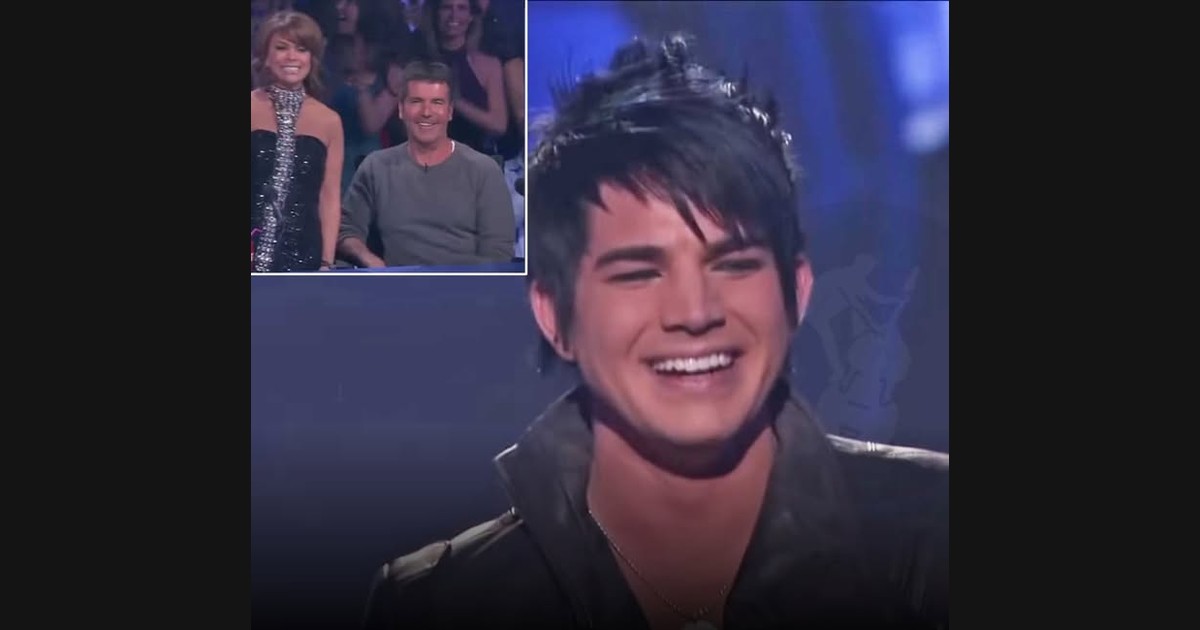 Embedded playback unavailable
This recording could not be loaded from its publisher. Its original video link is preserved below.
Original YouTube video page ↗The second source recording is no longer available. The remaining selections still support a comparison between the Idol-era compilation and a later, independently identified performance; they do not justify reconstructing the missing clip from memory or a title.
The Polar performance has a named occasion
Watch on YouTube ↗
The Polar Music Prize documents Lambert performing “Who Wants to Live Forever” in its 2025 ceremony honoring Queen. That supplies a specific song and tribute context rather than another competition round.
Compare a complete musical idea from that release with a clearly identified passage in the montage. Keep the difference in purpose visible: one selection belongs to a fan’s compilation of competition appearances, while the other is a performance published for a named honors occasion.
A useful note records the source, the passage, and the comparison being made. It can recognize a changing performance vocabulary without claiming that an edited collection proves every stage of a career. The unavailable recording remains a gap, while the accessible material retains its own clear value.


