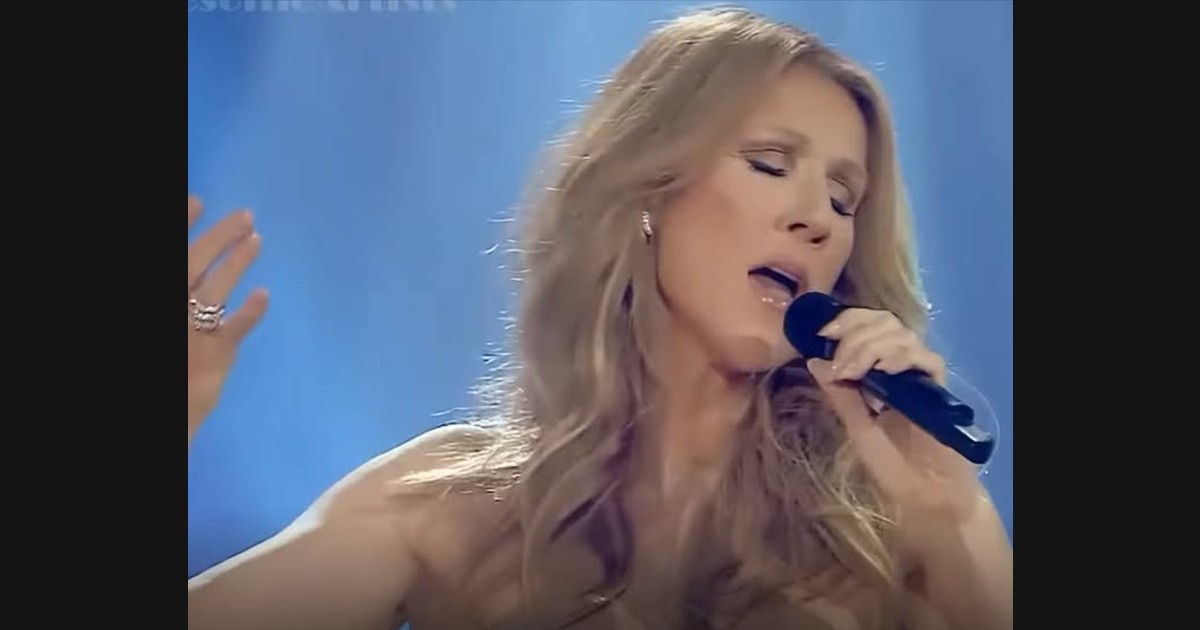
A tribute to a recording artist can honor an interpretation rather than a composition written by that artist. Céline Dion’s “Greatest Love of All” selection offers a clear example: the Whitney Houston association is central to the tribute, but the song’s writing credit belongs to Michael Masser and Linda Creed.
Houston’s official site also identifies George Benson’s earlier recording and dates the writing to 1977. That longer history does not weaken the Houston connection. It explains how a composition can acquire several important recorded identities before another artist chooses it as tribute repertoire.
Watch on YouTube ↗
The television special supplies the occasion
The Recording Academy announced Dion among the performers for We Will Always Love You: A GRAMMY Salute to Whitney Houston. Its original press statement dates the broadcast to November 16, 2012, with taping scheduled the preceding month.
The migrated web page displays a later publication header, but the dated statement identifies the original event. A website update and a television occasion are different chronological references. The latter should not move forward by several years because the page was republished.
The main fan upload’s abbreviated title does not supply a full program history on its own. The institutional announcement provides the wider documented tribute context without requiring invented details about every person’s response.
A signature recording can be an interpretive achievement
Houston’s recording is the direct repertoire reference for the tribute. Masser and Creed’s authorship identifies the song; Benson’s earlier version identifies another recorded stage; Houston’s performance gives the composition the association the program acknowledges.
For a practical note, keep those roles on separate lines. “Writer,” “earlier recording artist,” “artist honored,” and “current interpreter” can all have different answers. A good account does not need to choose one contribution and erase the rest.
Compare the Houston presentation directly
Watch on YouTube ↗
The official Houston video supplies a concrete comparison. Houston’s catalog identifies its filming location as New York’s Apollo Theater, giving the release another specific visual context. Follow a complete phrase and its surrounding accompaniment rather than treating the tribute as a test of whether Dion can reproduce another singer’s exact vocal character.
A tribute interpretation can retain recognizable musical material while placing emphasis elsewhere. The useful observation identifies the relationship: an entrance, a returning line, or the support around a phrase. A general claim that the singer “puts more feeling into it” leaves that relationship unexplained.
Also keep a performer’s visible public expression separate from private experience. A released performance offers musical choices and screen images; it does not disclose every personal memory motivating them.
Dion’s anniversary video changes the reference
Watch on YouTube ↗
The final official selection presents “My Heart Will Go On” as a twenty-fifth-anniversary alternate music video. It follows the current interpreter into another song and another release format, rather than extending Houston’s recording history.
The sequence becomes clearer when its direction is named: a tribute interpretation, the honoree’s signature presentation, then the tribute singer’s separate repertoire. The longer credit chain behind “Greatest Love of All” gives that comparison historical substance without turning it into a contest between voices.


