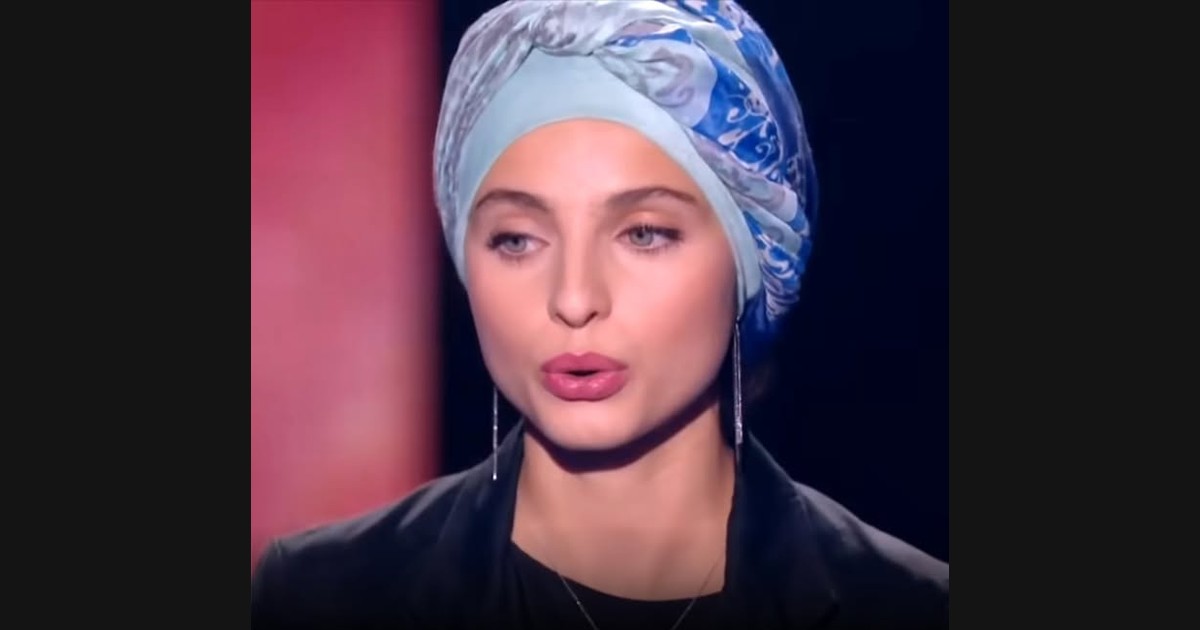
A singing audition and a standalone music video organize attention differently, even when they present the same named song. Mennel Ibtissem’s “Hallelujah” on The Voice France and Lucy Thomas’s official video provide a useful comparison because Leonard Cohen’s composition remains the common reference.
TF1’s own coverage places Mennel’s audition in 2018. That verified program context should remain separate from a later uploader’s account of another audition. The song’s continuing performance life is a firmer connection than assuming every circulated television label is complete and correct.
Watch on YouTube ↗
The audition has two courses at once
A competition excerpt develops a musical selection while also presenting a contestant within a program. The introduction and response help viewers understand the appearance’s place in that format. The singing still has to establish a complete musical thought within the available time.
Follow the song before returning to the surrounding response. Identify a recurring idea and consider what makes its return feel prepared. A recognizable composition can give a new performer an immediate reference, while the interpretation supplies a particular route through it.
This separates two kinds of information. A program response concerns the public encounter around the singer; phrasing and the relationship with accompaniment concern how the work is presented. One can be interesting without serving as a complete explanation of the other.
A familiar refrain needs its surrounding material
A repeated title can become the point most easily remembered from a song. Its effect still depends on what leads toward it. A return after a complete statement carries a different weight from the same material heard in isolation.
Choose the passage before a return and stay with it through the ending. Consider what changes your expectation: a completed thought, an audible pause, or the course of the accompanying music. This gives recognition somewhere to develop.
A standalone interpretation changes the frame
Lucy Thomas’s official “Hallelujah” video removes the immediate competition setting from the comparison. The named composition remains, but the presentation can be encountered as a self-contained release.
Watch on YouTube ↗
Keep one musical reference steady across the two selections. Compare how an entrance is prepared or how a phrase is allowed to settle. Avoid turning the comparison into a simple measure of which version is larger.
Different voices can make the work recognizable without sounding identical. A cover’s relationship with its source includes its musical course, not only a resemblance to another singer’s recorded sound.
Keep the third upload’s limits visible
The final upload is described by its publisher as another Mennel audition. Its program and year have not been independently established here, so it should not be used to construct a definite career sequence or competition result.
Watch on YouTube ↗
That boundary leaves the earlier comparison intact. A video can remain part of a collected set without becoming proof of every claim in its headline.
The verified audition and official standalone video already provide a substantial subject: one composition can support distinct presentations, with a familiar return gaining its meaning through the phrases around it. Keeping that musical relationship central allows the performances to be heard without depending on an embellished story about television progress or discovery.


