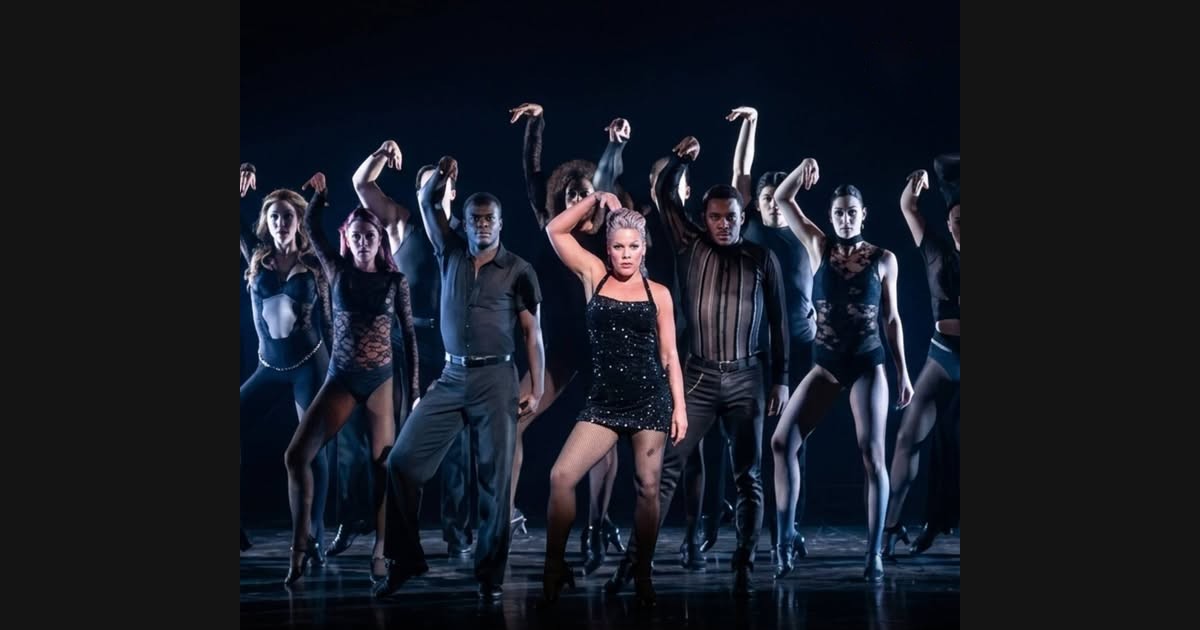
A singer and a moving ensemble need a shared reference. Rhythm supplies one: an entrance, a held position or a change of direction can relate to the same musical pace. P!nk’s “All That Jazz” tribute provides a route into that relationship between a song being heard and a number being seen.
The Tony Awards announced P!nk among the artists celebrating the thirtieth anniversary of Chicago‘s Broadway revival at the 2026 ceremony. The number belongs to a special tribute, rather than evidence that she had taken a permanent role in the Broadway production.
Watch on YouTube ↗
A beat can coordinate different actions
Sharing a pulse does not mean everyone must do the same thing. A vocalist may continue a phrase while dancers prepare an entrance; an ensemble gesture may emphasize a musical boundary. Their actions can differ while remaining understandable within the same timeline.
This makes a useful distinction between synchronization and duplication. Synchronization concerns relationships in time. Duplication means repeating the same action. A musical-theater number can use both, but their purposes are not identical.
Watch the boundaries between musical ideas
For a focused viewing, follow the end of one complete phrase and the beginning of the next. Consider what the movement does around that boundary. An action may reinforce the arrival or create an expectation that carries into the next passage.
The aim is to notice coordination, not to reconstruct every step. A filmed number contains more information than one viewer can follow at once. Choosing a specific boundary makes the relationship between music and movement easier to understand without inventing a detailed choreographic account.
The song’s theatrical setting also gives gesture a purpose beyond decoration. A performer can establish an attitude through stance and timing, while the melody continues to communicate the number’s musical identity. Voice and movement contribute different information to the same presentation.
A film-associated track changes the frame
P!nk’s official “Just Like Fire” video identifies its connection with Alice Through the Looking Glass. A music video can organize images around a complete recorded track, creating a relationship between the music and a constructed visual world.
Watch on YouTube ↗
The common timeline remains useful, but the medium changes the available choices. An edited sequence can move between locations or images; a stage number must also establish relationships within its performance space. The viewer receives both through a screen, even though the productions need not be built in the same way.
The song returns to an awards stage
The official 2016 Billboard Music Awards “Just Like Fire” recording supplies the same song in a live-event presentation. It offers a useful comparison because the musical reference is held relatively stable while the occasion changes.
Watch on YouTube ↗
Ask what directs attention toward a new musical event in each setting: the sound, a visible action or a change in the image. Several resources can work together without becoming identical.
Seen across these three recordings, movement is not simply something added after singing. It can make a musical boundary visible, create expectation and coordinate the surrounding ensemble. “All That Jazz” provides an especially clear reason to consider those relationships, because its stage identity asks voice and gesture to inhabit one shared rhythmic world.


