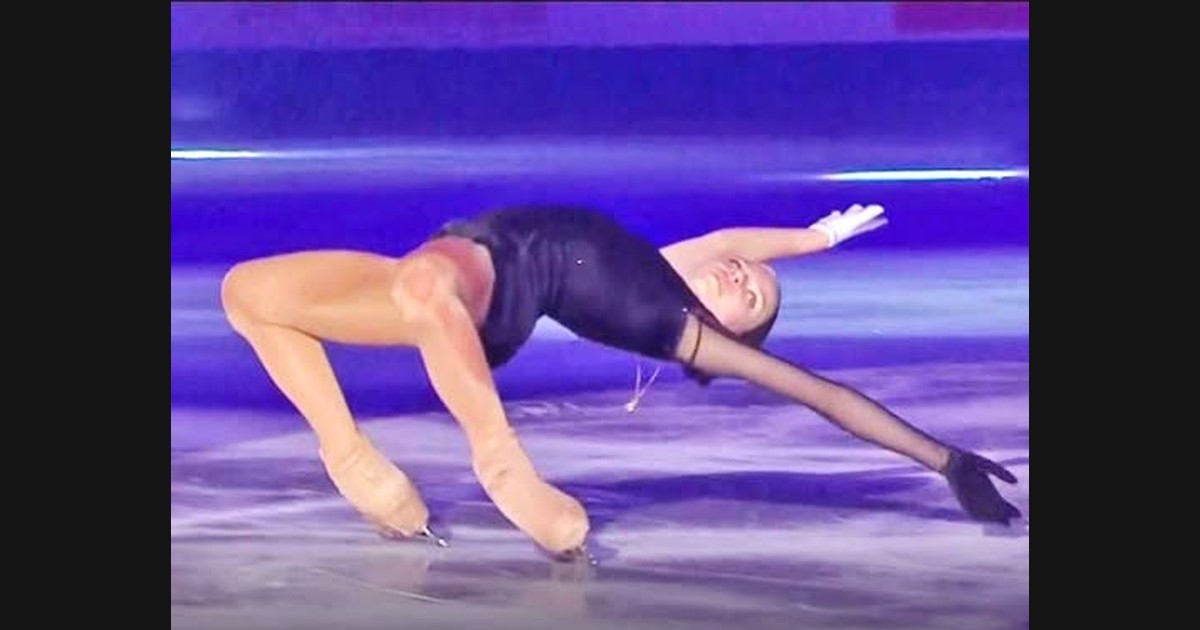
Fast movement and fast music are not the same thing. A skater can travel quickly across the ice while a musical pulse remains steady, or make several small actions inside one relatively spacious phrase. Alexandra Trusova’s Skate Canada gala provides a useful occasion to separate those kinds of pace.
The official 2019 event schedule identifies the exhibition gala separately from the competition. Here the exhibition is a viewing exercise in the relationship between music and movement, rather than a basis for assigning technical scores.
Watch on YouTube ↗
Three kinds of pace
Begin with three distinct subjects. Musical tempo concerns the rate of the underlying beat. Travel concerns how a performer moves through physical space. Movement density concerns how much visible activity occurs within a period of time.
These subjects can reinforce one another, but they can also contrast. A sustained musical phrase can accompany substantial travel. A short musical event can be marked by a small movement that attracts attention without covering much distance.
For one passage, follow only the recurring musical reference. Then watch the visible movement again while keeping that reference in mind. The exercise helps distinguish the music’s continuing time from the number of actions occurring around it.
Follow a phrase rather than count everything
A musical phrase gives a manageable unit of attention. Identify where a thought seems to begin and where it seems to arrive, then follow the movement across that span. The whole route may communicate more than a single action aligned with one beat.
Notice whether your attention stays with travel, gathers around a local gesture, or shifts between them. These are observations available to a viewer without naming every technical skating element.
The recording also has limits. A change of view can alter the apparent scale of travel, so an impression of speed should not be converted into a numerical claim from the video alone.
A different program changes the comparison
The official ISU free-skating selection changes the program while retaining Trusova. It should not be mistaken for the same exhibition presented under another title.
Watch on YouTube ↗
Use the three kinds of pace again. Concentrate on a short section and describe which relationship is easiest to follow. The purpose is comparative attention, not a verdict that one program has more musical value because it contains more visible activity.
A competitive program also works within its own requirements. The presence of a published result belongs to that event context, while the viewing exercise remains centered on what the supplied passage communicates.
Another exhibition changes the performer
On Ice Perspectives identifies Ye-lim Kim’s “A Thousand Years” at An Evening with Champions in 2023. It gives the same exercise a different athlete, composition, and occasion.
Watch on YouTube ↗
Consider how a movement can continue through an audible boundary or make that boundary especially legible. Neither relationship is automatically the correct choice for every piece.
The three clips become more informative when “energetic” is given a specific meaning. It might describe quick travel, frequent actions, or the musical pulse, with each supported by a different observation. Returning to Trusova’s gala with those distinctions allows the performance to be followed through its relationship with time rather than reduced to a single impression of speed.


