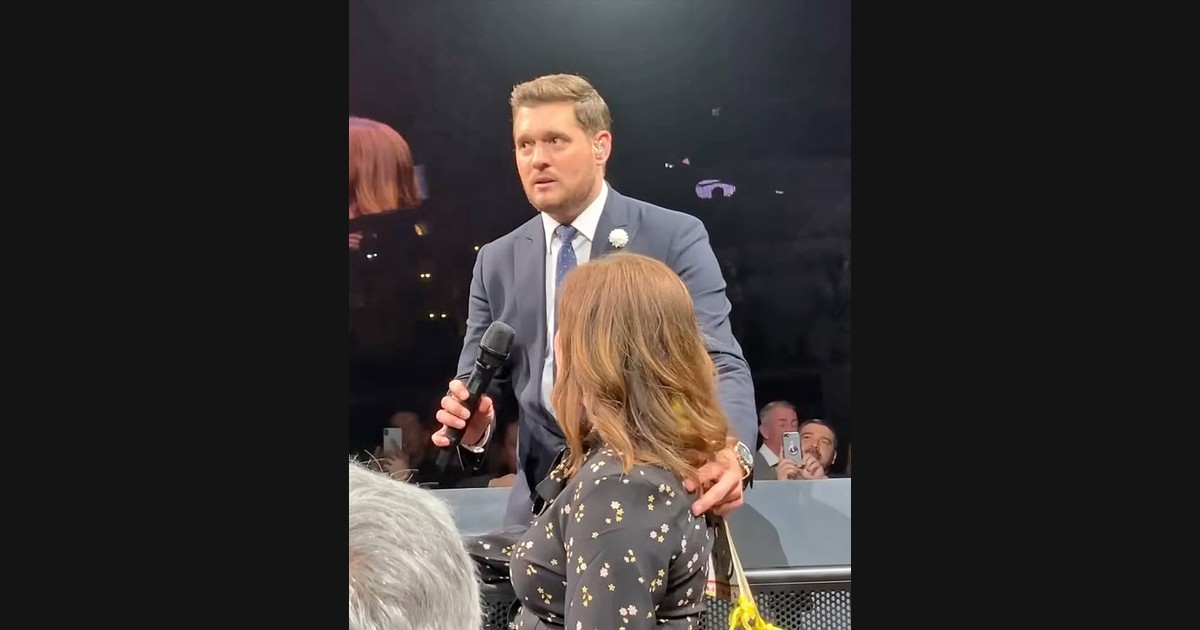
Diana Fairbanks’s upload identifies her “A Whole New World” duet with Michael Bublé. The title immediately supplies a familiar song, but listeners may be remembering different recordings when they recognize it. The composition has both an Aladdin film identity and a separately credited pop-duet presentation.
Disney’s official song entry identifies Alan Menken and Tim Rice as its writers. A contemporary label advertisement for the pop release identifies Peabo Bryson and Regina Belle as its performers and Walter Afanasieff as producer and arranger. Those credits describe related contributions, not interchangeable names for one performance.
Watch on YouTube ↗
A familiar title can hold several references
One person may remember the song through its place in a film scene. Another may know the pop recording. A later concert duet can bring those audiences together without copying every detail of either earlier presentation.
This is why a description should specify the version being compared. “The original” might mean the film performance, a soundtrack track, or the recording a particular listener first heard. If that reference stays undefined, two people can appear to disagree about the music while discussing different releases.
Three useful labels
| Label | What it identifies |
|---|---|
| Composition | The Menken–Rice song |
| Recorded presentation | A particular released performance and its artist credits |
| Concert interpretation | A later performance for a separate occasion |
The Fairbanks–Bublé clip belongs in the third discussion. Its interest does not depend on declaring it the first time the song became a duet, or treating it as a reconstruction of one particular soundtrack master.
For a concrete comparison, choose one complete melodic passage. Identify what stays recognizable, then what belongs to the current performers’ delivery. A difference in phrase emphasis or the division of lines can be meaningful without becoming a change in songwriting credit.
The participant’s upload gives this appearance an identity
Fairbanks publishes the clip under her own name and identifies the teacher connection in its title. That is a more specific source than an anonymous caption about a mysterious audience member. It does not supply every detail of how the invitation was arranged, so those gaps should remain gaps.
A useful catalog note would name both performers and the song, then distinguish the clip from any earlier recording used as a reference. There is no need to infer a professional contract or a later career outcome from the appearance itself.
Another guest pairing changes the format
Watch on YouTube ↗
The Bublé–Josh Groban upload supplies another onstage encounter, but not another documented version of “A Whole New World” merely because two singers are present. Keep its own material and performance frame attached to it.
Watch on YouTube ↗
Bublé’s official “Feeling Good” from Tour Stop 148 supplies a solo-feature reference. It also carries a particular release label, reminding us that an artist’s live catalog contains separate occasions and presentations.
The broader recording map gives the Fairbanks duet a clear place: a specific concert interpretation of a composition already familiar through more than one public form. That clarity makes the musical comparison more useful than an undefined claim that one performance sounds most like “the original.”


