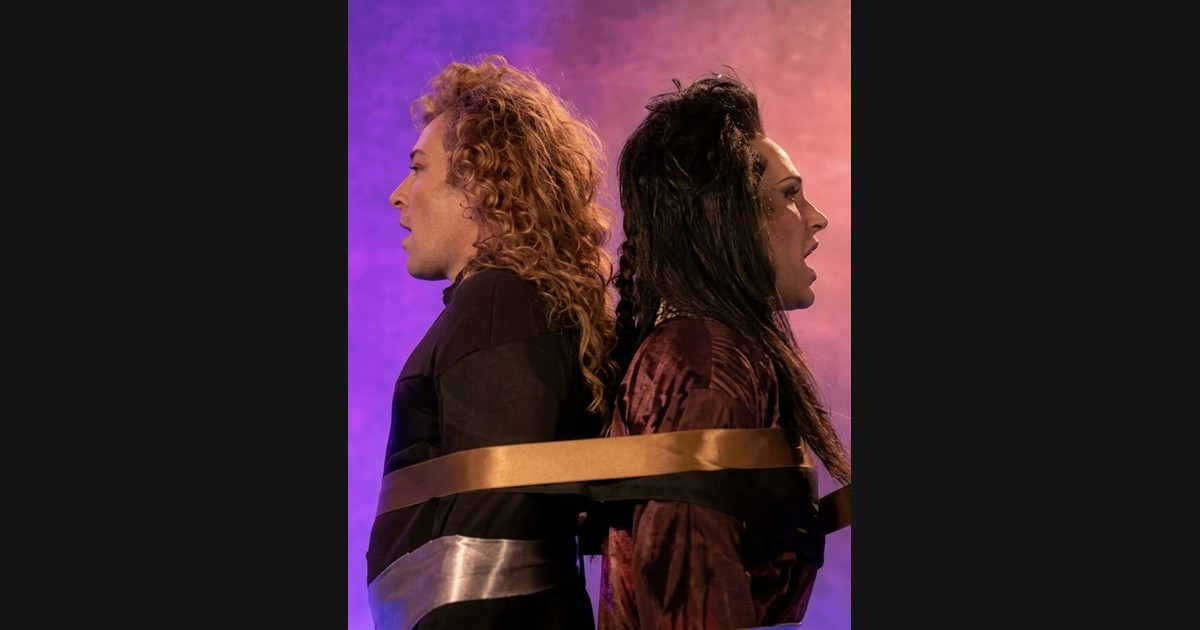
A cover changes how a song is performed. Jimmy Fallon and Paul Rudd’s “You Spin Me Round (Like a Record)” segment has another target: the visual presentation of Dead or Alive’s music video. The Tonight Show explicitly describes the result as a shot-for-shot remake.
That production idea gives the segment a clear task. Instead of inventing a new melody or comic set of lyrics, familiar contemporary performers step into an existing sequence of images. The humor comes from the relationship between recognition and substitution.
Watch on YouTube ↗
What has to remain stable?
A recognizable remake needs reference points. Costume can establish a character’s silhouette; makeup and hair can recall a visual style; a pose can connect one shot with another. None of those details is identical to a song’s melody, but together they belong to the way an audience remembers a music video.
Framing matters as well. A gesture placed close to the camera has a different effect from the same gesture seen across a room. Recreating an image therefore involves scale and position, not simply asking someone to repeat a movement.
The replacement is part of the joke
Rudd and Fallon remain recognizable as themselves even while adopting another presentation. That double awareness is central to the premise. The viewer sees the source being recreated and the people doing the recreating at the same time.
This is different from an attempt to erase the new performers’ identities completely. Their familiarity supplies a contrast with the roles they occupy. A deliberately matched image can be funny because it is both close to its reference and unmistakably inhabited by someone else.
Watch the Dead or Alive reference
The official “You Spin Me Round” video supplies the original presentation. The Tonight Show calls it the classic 1985 music video, placing its remake in relation to that established visual work.
Watch on YouTube ↗
Try comparing one brief visual unit at a time. Look at the direction of a face, the relationship between foreground and background and the moment an edit moves to another image. Those features make the remake’s construction easier to understand than a general impression that the costumes look similar.
The soundtrack supplies a common timeline. A gesture or cut can be coordinated with a recognizable musical point, helping the two presentations remain comparable. This does not make the segment a newly sung live cover; the show identifies a visual-remake premise.
A side-by-side comparison changes the viewing task
The final video places the remake and Dead or Alive reference beside each other. It is a comparison edit, rather than a third independently staged performance.
Watch on YouTube ↗
That format directs attention toward correspondences. It can reveal a matching pose or camera relationship that would be difficult to remember across two separate viewings. It also changes the experience: the audience becomes an active comparer of images rather than simply following one video’s progression.
Seen this way, the segment is a compact lesson in how music-video identity is built. A song can be remembered through sound, but a particular video also has an arrangement of faces, gestures and frames. Rudd and Fallon make that visual arrangement the subject of their performance.


