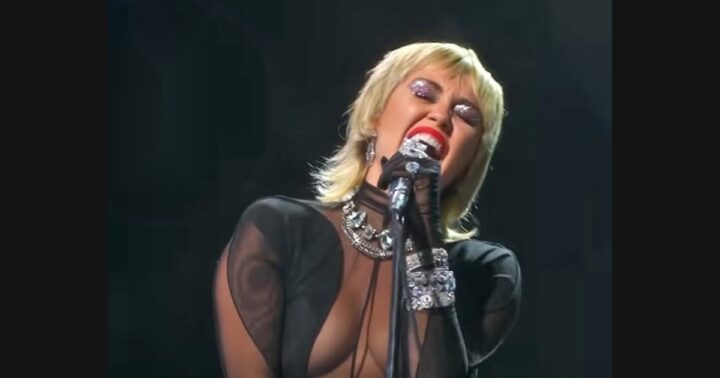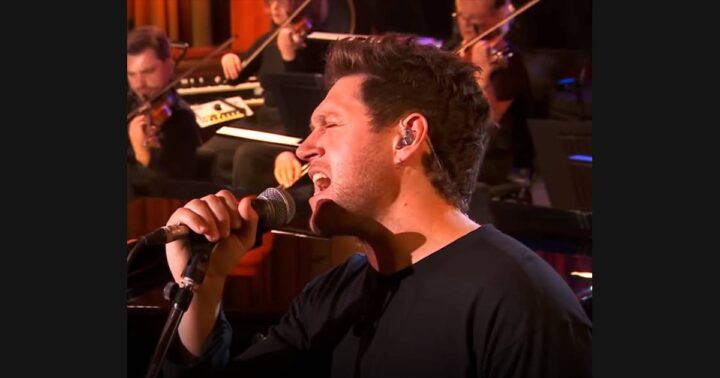
“House of the Rising Sun” has an obvious connection with New Orleans in its narrative. A Mumford & Sons performance presented as a New Orleans Jazz Fest appearance therefore creates two simultaneous settings: the place inside the song and the city surrounding the performance.
That connection is worth noticing, but it does not solve the song’s history. A narrative location is not proof that its characters are documentary witnesses, that one identifiable building supplied the story, or that the composition began at a particular modern festival.
Watch on YouTube ↗
Three different meanings of place
The first place is the setting described by a song. It helps listeners imagine the narrator’s situation. The second is where the song is performed. It can give familiar material a new local resonance. The third is where a particular version was collected, recorded, or published.
Those places can differ. The Library of Congress catalogs a 1937 performance of “The House of the Rising Sun” by Georgia Turner in Middlesboro, Kentucky. That documents an earlier singer and recording location. It does not mean the story must therefore take place in Kentucky.
Likewise, a performance in New Orleans does not establish the composition’s single point of origin. Traditional repertoire can circulate through different singers and places before any particular recording makes it widely familiar.
The narrator is a role within the song
A first-person song invites the singer to speak as someone, but that voice is not automatically autobiography. Keep “the narrator” available as a useful term. It allows a discussion of regret, warning, or recollection without turning the performer’s life into an invented explanation.
For example, “the narrator looks back on a situation” describes a relationship within the song. “The singer is confessing a personal experience” makes a biographical claim. The former can be supported by the composition; the latter requires separate evidence.
This matters with a traditional song that has passed through many interpreters. Different performers can inhabit the same narrative without sharing the narrator’s circumstances. The artistic task is to make an inherited account intelligible in the present performance.
Watch on YouTube ↗
The festival adds an occasion
The official Mumford & Sons release identifies New Orleans Jazz Fest and names Celisse and Trombone Shorty as featured guests. That gives the recording its own documented public frame. It is a collaboration at a named occasion, rather than an abstract illustration of the song’s setting.
Consider how the festival frame changes the listener’s associations. Recognizing the city can make a line feel locally connected even before an arrangement is compared. That is a response to context, not evidence that a particular instrumental choice represents the entire musical culture of New Orleans.
A differently framed version
Watch on YouTube ↗
Erik Grönwall’s “Epic Dark Version” keeps the composition but supplies another descriptive frame. The title asks the listener to attend to an arrangement’s atmosphere instead of a festival location. Neither frame replaces the song’s narrative with a verified historical account.
A clear comparison can finish by naming one constant and two changes: the continuing song, the different performing resources, and the different occasion or presentation. That lets the New Orleans connection remain significant without giving it more historical certainty than the evidence supports.