Five names appear in the credit for “The Prayer” at One World: Together at Home, but they do not describe five identical roles. Global Citizen identifies Céline Dion, Andrea Bocelli, Lady Gaga, and John Legend as the featured singers, with Lang Lang providing piano accompaniment. The distinction is the clearest starting point for hearing the collaboration.
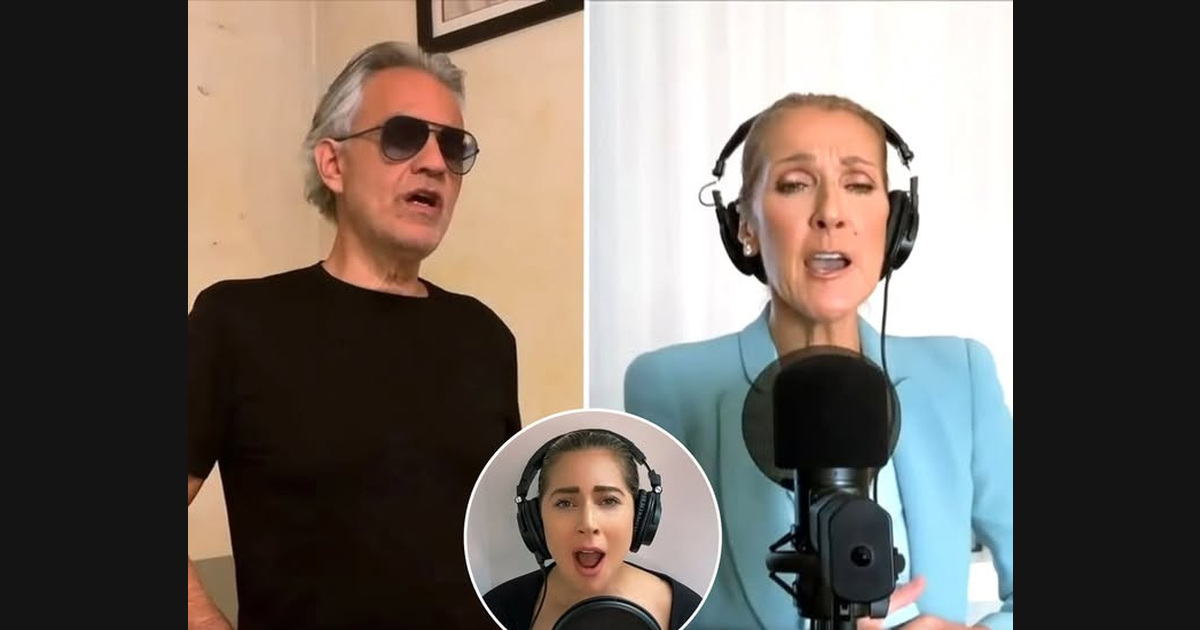
The performance formed the culmination of the organizer’s 2020 event. Its presentation across screens makes the collaboration visually explicit, while leaving the exact technical process of assembling the recording a separate matter.
Watch on YouTube ↗
A credit list is the beginning of an arrangement map
The singer names tell us whose voices are featured. The piano credit identifies an instrumental role around them. That role can supply harmonic direction, connections between vocal statements, and a shared musical reference without occupying the same function as a sung line.
For a first listen, follow the continuity supplied beneath the changing featured voice. An accompaniment can make a handoff feel like part of one developing work rather than a series of unrelated contributions.
On another pass, follow the vocal responsibility. A statement may be introduced by one singer and gain another implication when more voices participate. The important relationship is not simply the number of people audible at once, but how their contributions fit within a complete musical thought.
The screen makes separation visible
A presentation across separate images gives the viewer a visible reminder that the artists are not occupying one conventional stage picture. That affects how the collaboration is read, even when the listener is concentrating on one continuous musical performance.
The image does not reveal every production detail. It cannot establish from appearance alone whether all contributions were recorded simultaneously, which software connected them, or how the final sound was assembled. Those claims would require a production account.
What the supplied presentation does offer is a relationship between separate visible contributors and a shared musical result. That relationship can be appreciated without adding an invented story about the technology.
A duet reduces the number of featured singers
Groban and Bocelli’s official “We Will Meet Once Again” selection changes the composition and concentrates attention on a two-singer partnership.
Watch on YouTube ↗
Compare how responsibility is handed onward when there are fewer featured voices to follow. A duet still has several possible relationships: alternating statements, support around one line, or a shared arrival. Fewer names do not automatically make the musical interaction simple.
An instrumental collaborator changes the balance
Bocelli’s “Who Wants to Live Forever” with Brian May at Teatro del Silenzio in 2024 supplies another kind of pairing. The named collaborator is associated with the instrumental side of the performance, rather than another singer undertaking the same job.
Watch on YouTube ↗
This returns attention to the distinction made by Lang Lang’s piano credit. A collaboration is not defined only by voices meeting; it can also involve different musical functions supporting and answering one another.
Hearing the three selections in that order makes the five-name “Prayer” credit more informative. The event supplies the public occasion, the screen presentation shows separate contributors, and the arrangement gives those contributions specific roles within one performance. Keeping all three in view explains more than describing the set as a gathering of famous voices.