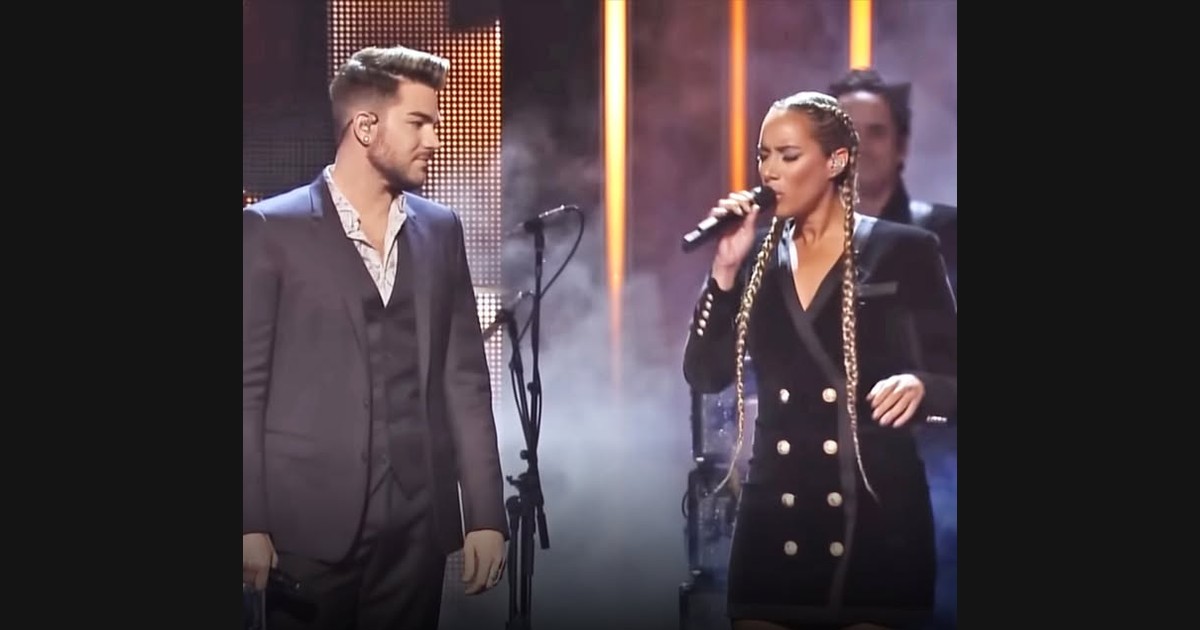
Two featured singers do not necessarily create two fictional characters. Adam Lambert and Leona Lewis’s “Girl Crush” offers a useful way to hear that distinction. The vocal delivery can be shared while the song’s narrating position remains something the performers communicate, rather than a literal conversation about their own lives.
The composition’s writing credit belongs to Hillary Lindsey, Lori McKenna, and Liz Rose. Little Big Town’s label identifies it with the group’s Pain Killer album. Lambert and Lewis are interpreting that established work, not presenting the lyrics as their own biographical account.
Watch on YouTube ↗
Who sings and who speaks are separate questions
The person producing a line is the singer. The implied speaker within the song is its narrator. In a solo performance, it is easy to blur the distinction because one voice carries the material. A duet makes the difference more visible: material can pass between performers without automatically changing the identity of the person imagined by the words.
This creates several possible relationships. A second voice can reinforce a statement, offer a contrasting musical color, or make a returning idea feel shared. None of those functions requires inventing an additional character or assigning a private romantic situation to either singer.
For this performance, follow a complete thought across any change of featured voice. Consider whether it continues one statement or creates the impression of an answer. The judgment should come from how the material is presented, rather than from the simple fact that two famous names appear in the title.
A title can delay a listener’s understanding
A title is often the first piece of information a new listener receives. It can suggest an interpretation before the song has developed its full situation. Keep that initial impression open while following the complete selection.
The distinction is especially useful with a song whose meaning involves relationships among people rather than a single isolated declaration. Allowing a later phrase to clarify an earlier one is part of listening to a narrative, not a reason to force the title into the first interpretation that occurred.
Hear Lambert with another composition
The Polar Music Prize’s official 2025 selection presents Lambert singing Queen’s “Who Wants to Live Forever.” It changes the work and format, making the singer’s solo responsibility the center of attention.
Watch on YouTube ↗
Compare how a musical thought is sustained when one featured voice carries it. The lack of a duet partner does not eliminate implied relationships within a song; it simply changes how those relationships have to be communicated through the performance.
Hear Lewis in her own live selection
Lewis’s official “Run” from the O2 provides a corresponding solo reference. Together, the related performances give each singer space outside the shared “Girl Crush” presentation.
Watch on YouTube ↗
Use them to distinguish a continuing vocal identity from the role undertaken in one duet. A recognizable voice can serve different narrating positions across different songs.
Returning to “Girl Crush,” the most useful subject is therefore the relationship between shared sound and shared meaning. The performance can be heard as a collaboration in communicating one composition, without reducing it to a contest between voices or turning its fictional situation into an unsupported story about the performers.


