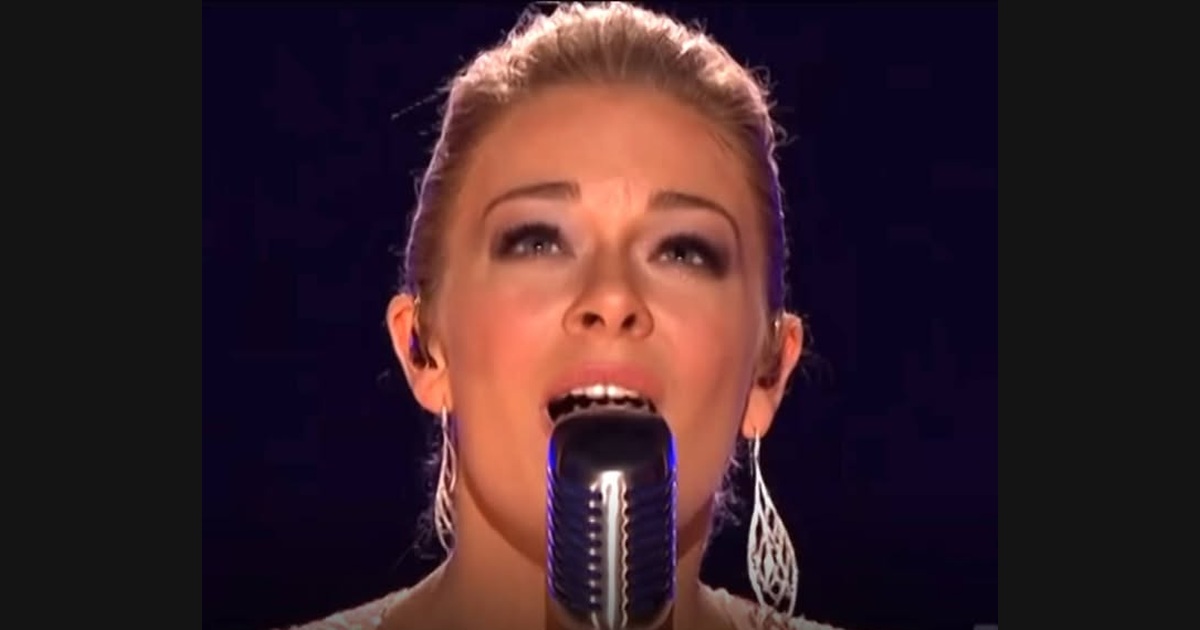
A tribute to Patsy Cline raises an interesting question: what, exactly, is being honored? The composition, a particular recording, and the singer’s way of presenting it are related, but they are not interchangeable. LeAnn Rimes’s tribute offers a starting point for separating those contributions.
The main upload is labeled as a Patsy Cline tribute at the 2013 American Country Awards. That label identifies the clip’s advertised occasion; it should not be confused with the Country Music Association’s separately named awards. More important for this comparison is the recording legacy the tribute points toward.
Watch on YouTube ↗
Cline’s achievement was interpretation
The Country Music Hall of Fame and Museum identifies Willie Nelson as the writer of “Crazy,” one of Cline’s best-known recordings. Recognizing Nelson’s authorship does not diminish Cline’s contribution. It helps name it accurately: she made an interpretation of an existing composition that became strongly associated with her voice.
A composition supplies material that another performer can take up. A recording makes countless decisions about that material concrete: the placement of a phrase, the relationship between voice and accompaniment, the space around a line, and the overall shape of the performance.
Those are useful categories for approaching Rimes’s tribute. Instead of asking whether she becomes Cline, identify which parts of the musical inheritance remain recognizable and which belong to the performer making the tribute. A singer can acknowledge a predecessor without erasing her own identity.
Make a two-column comparison
Divide a page into “song” and “recording.” Under “song,” note the recurring melody, the broad verse structure, and the changing situation presented by the narrator. Under “recording,” note an audible choice such as accompaniment density or a phrase ending. Use your own descriptions rather than copying words from the song.
For example, “the melodic phrase returns” describes a structural feature. “The returning phrase is delivered with a different degree of emphasis” describes an interpretation, provided that difference is actually audible. The second statement explains a performance choice without pretending that the singer wrote the underlying song.
The same distinction makes a medley easier to understand. A medley can honor a recording artist through several selections, even when those selections have different writers. Its unity comes from the tribute’s organizing subject, not necessarily from one songwriter.
Return to the credited Cline recordings
Watch on YouTube ↗
The Patsy Cline VEVO presentation of “Crazy,” credited with the Jordanaires, shifts the comparison away from the tribute and toward the recording associated with Cline. Keep the accompanying credit in view: a signature performance can still be collaborative work.
Watch on YouTube ↗
The following Topic upload labels “Crazy” as a single version. Treat these two presentations as opportunities to identify a recording and its credits, rather than automatically assuming that two different video pages contain two different vocal performances. Packaging and musical identity are separate questions.
What a tribute can preserve
A productive account of this selection might say that Rimes’s performance sends the listener back to Cline’s recorded repertoire, while “Crazy” also leads back to Nelson’s songwriting. That is a more complete chain of credit than calling every song in a tribute “a Patsy Cline composition.” It leaves room for both the writer’s work and the interpreter’s distinctive achievement.


