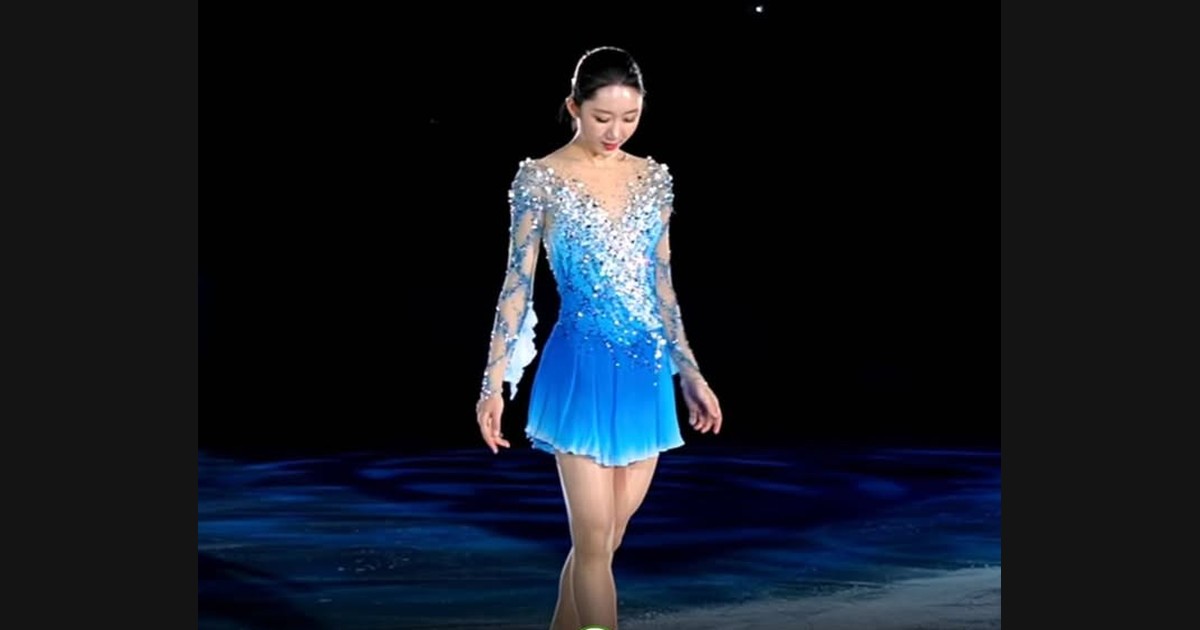
The setting matters before the first skating element. On Ice Perspectives identifies this recording as Ye-lim Kim performing to “A Thousand Years” at An Evening with Champions in 2023. That places the program within an exhibition, with a different public purpose from a competitive result.
An Evening with Champions describes itself as an annual figure-skating benefit founded at Harvard University in 1970. It supports the Jimmy Fund. Those details explain why an established skater might appear in a program alongside other invited performers: the event presents skating to support a shared cause.
Start with the program, rather than a score
Watch on YouTube ↗
A competition-oriented viewing habit is to make an inventory of elements and wait for a numerical verdict. For this recording, try a program-oriented account instead. Describe how the entrance, musical selection, use of the ice, and ending work together as one presentation.
That approach does not make technical skating unimportant. It changes what the description needs to explain. A difficult movement can be part of a larger passage; a simple change of direction can establish where that passage is going. Neither observation requires assigning an unofficial score.
For example, imagine writing a short program note for someone who has not seen the clip. “A skating exhibition set to a familiar song” identifies the format. Adding one accurately observed relationship between the music and a movement would explain the performance more usefully than an unsupported claim that every element was perfect.
Three contexts worth keeping separate
| Context | What it helps explain | What it cannot establish alone |
|---|---|---|
| The benefit | Why this exhibition was presented | The skater’s private reason for choosing a song |
| The individual program | How music and skating are arranged together | A competition placing |
| The filmed recording | How a remote viewer encounters the program | Everything visible from every seat |
Keeping those layers separate also avoids turning the charitable setting into a claim about an individual performer’s personal history. The event’s stated purpose supplies enough context without making that extra leap.
Use the related exhibitions to broaden the comparison
Watch on YouTube ↗
The next recording identifies Veronika Zhilina and “Hallelujah.” Compare it with Kim’s program as another example of a skater selecting music for a complete presentation. The shared question is how a recognizable song becomes a skating program, rather than which performer communicates the “correct” emotion.
A song title alone does not identify the particular singer or recording used on the soundtrack. If that distinction matters to the comparison, check the recording’s credits instead of assigning a familiar version automatically.
Watch on YouTube ↗
Alexandra Trusova’s official upload identifies a Skate Canada 2019 gala exhibition. It provides another clearly labeled exhibition context, but a different occasion. A gala label should remain attached to that recording rather than being transferred to Kim’s benefit appearance.
A useful final description
After viewing, write three sentences: identify the event, describe one specific feature of the program, and explain one difference from a related exhibition. That produces a small, defensible account of the skating. It also preserves what makes this appearance distinctive: a particular performer, musical choice, and benefit setting, rather than a generic competition highlight.


