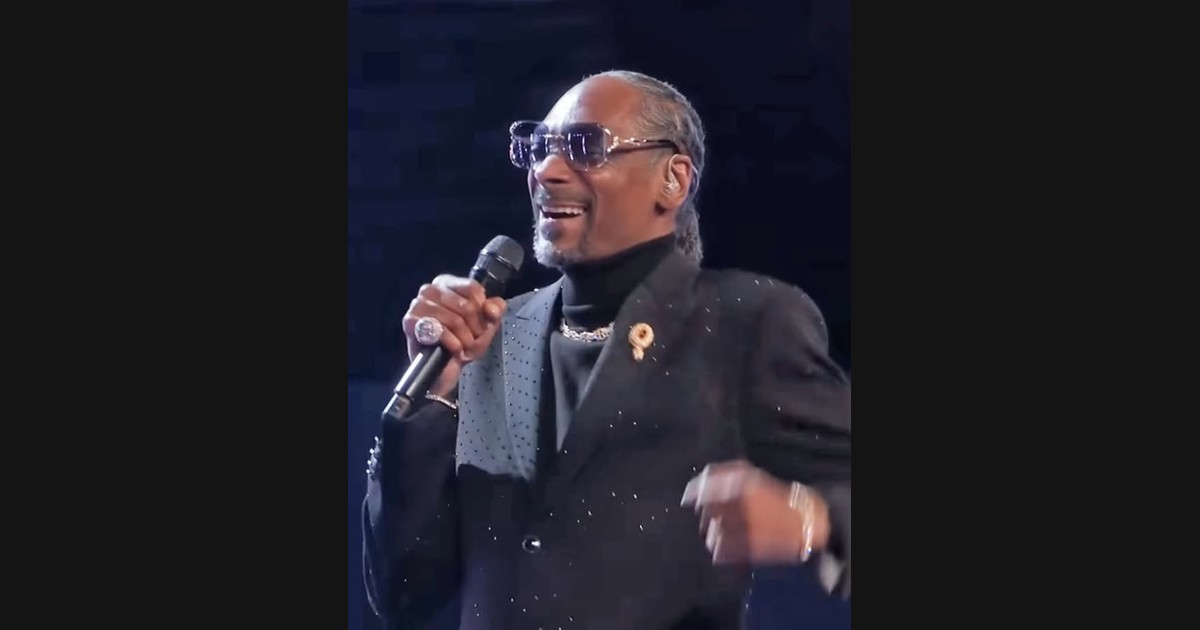
A performance and a reaction to that performance are different kinds of video. The first selection here includes commentary around The Voice coaches’ Heartache Tonight. The underlying NBC appearance brings together Michael Bublé, Gwen Stefani, Reba McEntire and Snoop Dogg around the Eagles song.
Bublé’s official site preserves the NBC performance’s identity, and NBC lists it among its season 26 materials from September 20, 2024. The date belongs to the source clip, rather than every later upload that discusses it. That documented source context should remain separate from the reaction creator’s presentation. The latter adds another person’s viewing and commentary rather than becoming the original broadcast itself.
The reaction-video selection
Watch on YouTube ↗
A reaction format can direct attention through pauses, comments and the creator’s visible response. Those additions are part of the new video. They do not establish how the original performers prepared the number or what every person at the event thought.
The useful approach is to distinguish the musical passage from the discussion around it. A commentator can offer a preference or interpretation; the viewer can then evaluate the musical relationship independently. Agreement is not required for the commentary to function as another point of view.
Four coaches share one song
The underlying performance has its own organizing problem. Several recognizable musical identities need room within one arrangement. A featured line can pass between people, become a shared passage or receive support from another voice.
Those roles are more informative than treating the song as four unrelated solo opportunities. The transition between performers helps create continuity, and a supporting contribution can be important even when a different person is drawing the camera’s attention.
For example, a shared refrain can establish a group identity after separate featured lines. Alternation emphasizes difference; overlap supplies another kind of relationship. The arrangement can use both without requiring the singers to sound alike.
Bublé in a solo-feature frame
Watch on YouTube ↗
The official Feeling Good selection from Tour Stop 148 gives a reference for Bublé outside the coaches’ shared presentation. The composition and occasion change, so the comparison concerns responsibility rather than a matching test.
A solo feature can concentrate a song’s continuing statement around one central identity. A coaches’ collaboration has to make the movement between several identities intelligible. Neither is automatically the more complete expression of a performer’s style; the formats ask for different work.
Another coaches’ number changes the lineup
Watch on YouTube ↗
NBC’s The Joker selection features Bublé, Niall Horan, McEntire and Snoop Dogg. The change of participant matters: it is not another angle from the Heartache Tonight appearance. The repertoire also changes to a Steve Miller Band song.
Compare the way attention is distributed within each shared number while keeping the clips’ separate identities clear. The continuity of a television format does not mean the lineup and musical task remain fixed.
The three selections therefore offer two related comparisons. One concerns music: solo-feature and shared-coach responsibilities. The other concerns media: a source performance and a reaction video discussing it. Naming both relationships gives the first clip a clear place without confusing commentary, broadcast and the musical collaboration itself.


